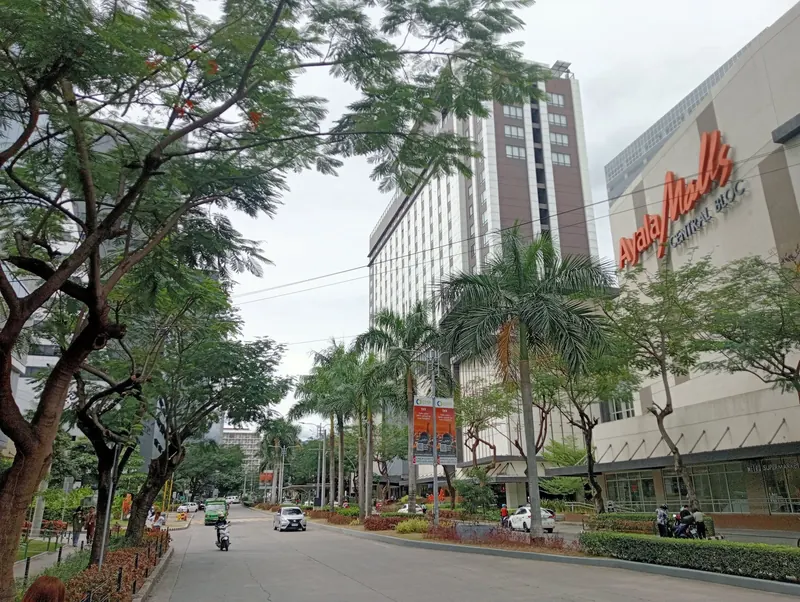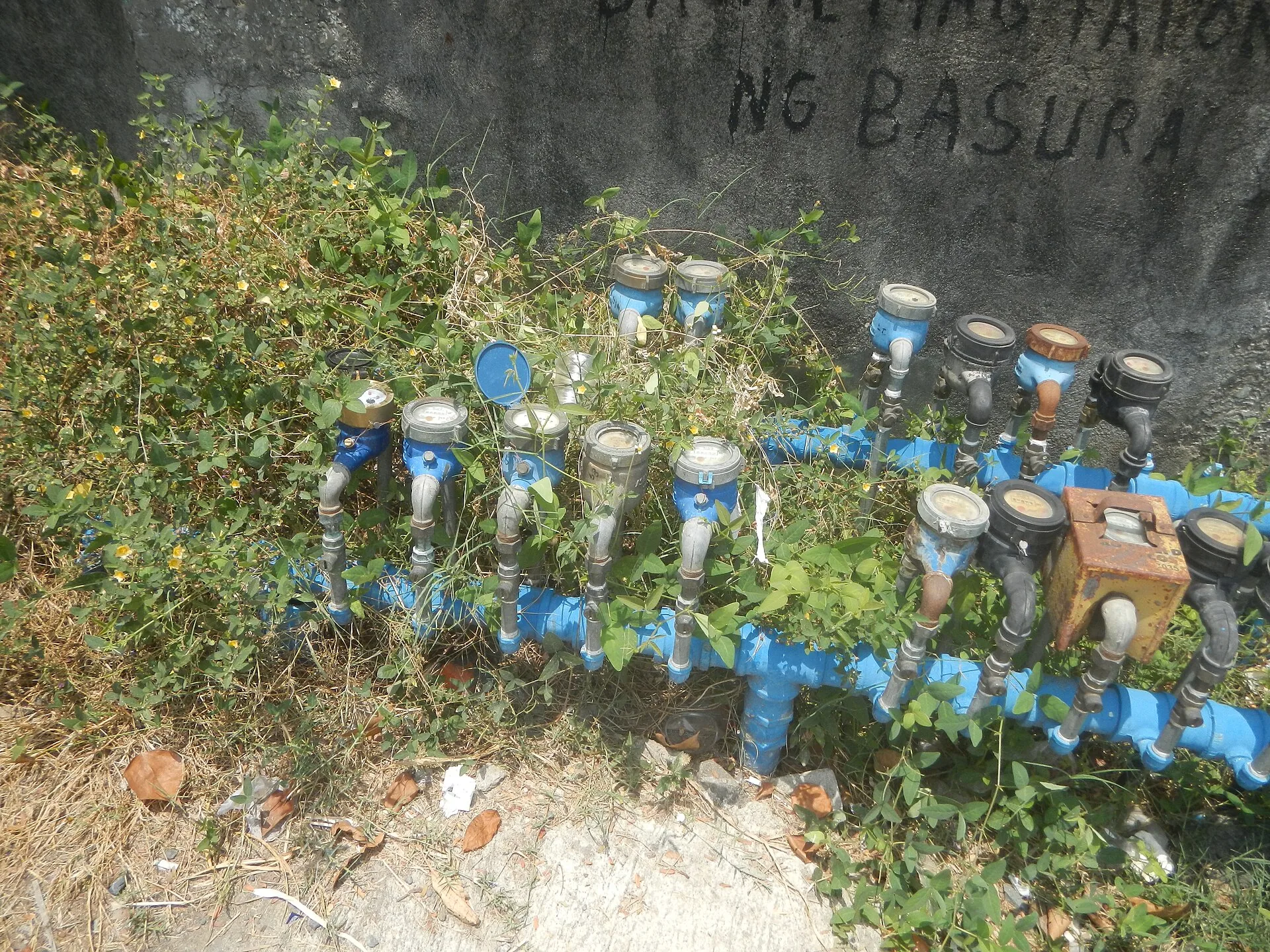
NGCP issued Visayas yellow alerts during the 2026 hot-season peaks, when reserve margins ran thin enough that one large plant tripping would have forced rotating blackouts. By mid-May the situation had moved past forecast. The Visayas grid went to red alert on May 13, 2026, and Visayan Electric began one-hour rotational brownouts at 5:45 p.m. across parts of Cebu City, Mandaue, Naga and San Fernando (BusinessMirror, Philippine Information Agency). The 2026 supply risk is no longer hypothetical. It is being load-shed in one-hour blocks.
The structural picture behind that: Cebu’s power demand is growing by roughly 150 MW a year, and about 60% of the island’s electricity arrives by submarine cable from Leyte and Negros (SunStar Cebu, January 2026). The Institute for Climate and Sustainable Cities Q2 2026 Power Outlook frames the Visayas balance as fragile but sufficient provided no large plant trips at peak, which makes the realistic risk single-event triggered rather than chronic. Every time a cable trips or a generator goes offline for maintenance, parts of the Visayan Electric franchise area go dark.
Against that backdrop, backup power stops being a nice-to-have. This guide covers what actually keeps working during a Cebu brownout, from the sub-PHP 5,000 UPS that saves your router and your open document up to the inverter generator that runs a fridge and a split-type aircon for half a day, plus what the Fire Code and Cebu condo house rules actually let you install.
What’s Actually Happening on the Cebu Grid in 2026
Visayan Electric runs the distribution side in Cebu City, Mandaue, Talisay, Minglanilla, Liloan, Consolacion and San Fernando. It is one of the better-run utilities in the country, with bill disputes and connection delays rarer than in some franchise areas, but it sits downstream of a supply chain under stress. What the utility charges for that power is a separate question, tracked in the Cebu electricity rate dataset and covered in the VECO bill guide.
Scheduled interruptions are the more common disruption. Visayan Electric posts them in batches to its Service Advisory page and Facebook feed, typically 3 to 7 days ahead, and the affected barangays rotate: your building may be hit one week and a neighbouring barangay the next. Blocks usually start at 9:00 AM and run most of the working day. Read the advisory rather than assuming a duration, because the posted window is the only figure that binds.
Unscheduled outages spike during dry-season peak load (March to May) and whenever something upstream fails. The 2026 alert sequence is the leading indicator. A yellow alert means reserve margins are thin enough that one large plant tripping would force rotating blackouts; a red alert means the shortfall is already real. May 13 is the worked example: the grid went red, and load shedding hit in one-hour blocks that evening.
Typhoon outages are the outlier that Cebu renters genuinely have to plan for.
Typhoon Odette made landfall on December 16, 2021 and knocked out roughly 95% of Visayan Electric’s franchise area. Ten days later, on December 26, the utility had restored 15.8% of its customers, 74,920 of 474,182 (SunStar Cebu, December 26, 2021). It set a January 31, 2022 target for full restoration, missed it, and was still at 95.31% on February 6, about seven and a half weeks after landfall, with 22,201 customers still dark (SunStar Cebu).
Typhoon Tino in November 2025 was a faster recovery but not a trivial one. By November 9, 2025 the utility reported 92.57% of customers restored (474,312 accounts), with San Fernando at 99.01%, Mandaue at 96.33%, Talisay at 94.25%, Cebu City still at 89.67% and Liloan slowest at 81.74% (SunStar Cebu). Where you live inside the franchise changes your outage length materially. The typhoon preparedness guide covers the full storm-readiness runbook; this article covers the power side.
Backup Power Tier 1: UPS for Internet and Laptop
The cheapest and most-used tier. An uninterruptible power supply is a small battery box that sits between the wall and your electronics and swaps to battery within a few milliseconds when the grid drops. It isn’t designed to run appliances. It’s designed to buy you enough time to save your work, keep your internet session alive, or shut a desktop down gracefully.
Sizing. A fiber router draws 5 to 15 W and a laptop with its charger another 45 to 65 W during active use, less at idle. A 650 VA / 360 W UPS runs that pair for roughly 45 to 90 minutes. A 1,000 VA / 600 W UPS driving a desktop PC and two monitors buys you 15 to 25 minutes, which is enough to save and shut down, not enough to keep working.
| Category | Range | Notes |
|---|---|---|
| APC BVX650I-PH (650VA / 360W) | ₱2,550–₱4,500 | Router + laptop for 45–90 min. The default choice |
| Generic 500VA / 300W UPS | ₱2,000–₱3,500 | Entry-level. Router only, ~30 min. Not for PCs |
| APC BX1100LI-MS (1100VA / 660W) | ₱6,400–₱9,000 | Desktop PC + two monitors for 15–25 min |
| APC Back-UPS Pro BR1500 (1500VA w/ AVR) | ₱12,000–₱18,000 | Small home office; built-in voltage regulation |
| APC Smart-UPS SMT1500IC (true Smart line) | ₱25,000–₱75,000 | Server-grade; pure sine wave; LCD; SmartConnect |
Indicative street pricing observed in Cebu retail, early 2026. Unbound: no dated price snapshot retained. Re-check before you buy.
What to look for. Pure sine wave output matters for anything with a motor or a power supply that expects clean AC, and most APC Smart-UPS models deliver it. Cheaper stepped-approximation units, common in entry-level generic brands, are fine for routers and laptops but can stress desktop PSUs and some TVs over time. If you have a desktop or a home theatre setup, pay the premium for pure sine wave.
Battery replacement. UPS batteries last about three to four years in Cebu’s climate, slightly shorter than in cooler regions because heat accelerates lead-acid degradation. Budget a battery swap every three years or so on top of the purchase price. APC units have user-replaceable cartridges; most cheaper units need a technician.
For most Cebu renters, a 650 to 1,000 VA UPS is the single best few thousand pesos you can spend on power resilience. It handles the 90% case: the short scheduled interruption, the momentary grid blip, the 20-minute weather-related trip. It does nothing for a full-day maintenance outage, which is where Tier 2 comes in.
Backup Power Tier 2: Portable Power Stations
A portable power station is a large lithium battery in a case with AC outlets, USB ports and often a 12V car socket. No combustion, no fuel, no noise, no exhaust. Charge it from the wall (usually one to three hours to full), then run off it during outages. Brands with Philippine retail presence: EcoFlow, Bluetti, Jackery, Anker SOLIX, plus a rotating cast of Chinese OEM labels.
| Capacity tier | Example models | Indicative Cebu retail | What it runs |
|---|---|---|---|
| 300–500 Wh | Jackery Explorer 300, Bluetti EB3A | PHP 18,000–28,000 | Router + laptop for 10–15 hrs. CPAP for a night. Not for appliances |
| 700–1,000 Wh | EcoFlow RIVER 2 Pro, Bluetti EB70 | PHP 22,000–35,000 | Fridge for 3–5 hrs intermittent, stand fan for 10–15 hrs, router + laptop overnight |
| 1,500–2,000 Wh | EcoFlow DELTA 2, Bluetti AC180P | PHP 50,000–75,000 | 1.0 HP inverter AC for 1–2 hrs, fridge + fans through a workday, small kitchen appliances |
| 3,000+ Wh | EcoFlow DELTA Pro, Bluetti AC300+B300 | PHP 120,000–200,000+ | Medium aircon for 2–3 hrs, whole-apartment essentials overnight, expandable with extra batteries |
What actually runs on a 1,000 Wh station. A fiber router at ~10W: about 100 hours. A laptop at ~50W: about 20 hours. An inverter refrigerator averaging ~120W: about 8 hours of compressor time, but because fridges only actively cool 30 to 40% of the time, that stretches to most of a day of real fridge operation if you keep the door shut. A stand fan at 50W: about 20 hours. What doesn’t fit: aircon, rice cookers, electric kettles, induction hobs, hair dryers. Anything drawing over 500W continuously drains a 1,000 Wh battery inside two hours.
The solar add-on. EcoFlow and Bluetti sell 100W, 200W and 400W portable panels that recharge the station during the day. A 200W panel in Cebu sun generates enough on a clear day to refill a mid-tier station roughly once, which is the difference between a power station that dies on day two of a typhoon outage and one that keeps a router, lights and phones alive indefinitely. Worth considering only once you already own the station.
For condo residents, a power station is usually the best available backup. It’s legal anywhere, stores no fuel, produces no exhaust, and works silently. Your neighbours won’t know it exists. The trade-off is the one-time capital cost.
Backup Power Tier 3: Inverter Generators
An inverter generator burns gasoline (or LPG with a conversion kit) to drive a small engine, then cleans up the waveform electronically. Inverter models are quieter, more fuel-efficient and safer for sensitive electronics than the old open-frame sets still common in provincial Cebu. They are not viable in most condos, so this tier is for standalone houses, duplexes and townhouses.
| Model class | Rated watts | Noise (at 7m) | Runtime / tank | Indicative retail |
|---|---|---|---|---|
| ~1,000W class (Honda EU10i, equivalent) | 900–1,000W | 52–58 dB | 6–8 hrs @ 1/4 load | Premium brand: PHP 45,000–60,000. Chinese OEM: PHP 18,000–28,000 |
| ~2,000W class (Greenfield GFK2000iS, Honda EU22i) | 1,800–2,000W | 55–62 dB | 5–7 hrs @ 50% load | Greenfield GFK2000iS listed PHP 33,592 across PH dealers, seen on sale near PHP 27,000. Honda EU22i street PHP 60,000–75,000 |
| ~3,000–4,000W class (Greenfield GFK4000iS, Kawasaki 3.2kW) | 3,000–4,000W | 62–70 dB | 4–6 hrs @ 50% load | Greenfield GFK4000iS around PHP 52,000 street. Kawasaki PHP 45,000–70,000 |
| Dual-fuel (gasoline + LPG) | 1,800–3,500W typical | 55–65 dB | Longer on LPG (6–10 hrs @ 11 kg tank) | PHP 40,000–90,000 |
Sizing reality. A 2,000W inverter generator runs a full household of essentials, meaning fridge, fans, lights, router, TV and laptops, but not a split-type aircon. Adding even a 1.0 HP inverter AC starting surge (roughly 1,200W) on top of a running fridge can trip it. For aircon-level backup in a house, size up to 3,000 to 4,000W.
Noise. A Honda EU10i runs around 52 dB, about the level of a normal conversation. Generic Chinese inverter sets run 60 to 70 dB, which is loud enough to bother neighbours in a dense Cebu subdivision. In Banilad, Lahug or central Mabolo, the noise gap between a Honda and a budget unit is the gap between a neighbour you tolerate and a neighbour you complain about. On a standalone compound where sound carries less, the budget brands are a reasonable call.
Fuel math, and how to run it yourself. A 2,000W inverter generator at half load burns roughly 0.4 to 0.6 litres of gasoline per hour. Multiply that by today’s Cebu pump price to get your cost per hour. Cebu Daily News’s fuel price watch put Cebu gasoline at roughly PHP 85 to 99 per litre as of April 14, 2026 (Cebu Daily News), which at that band works out to about PHP 34 to 59 per hour of runtime, or PHP 270 to 475 for an eight-hour outage running essentials.
Fuel storage. The Fire Code (RA 9514) and its IRR regulate the storage of flammable liquids in residential occupancies, and condo deeds of restriction go further and prohibit it outright. For a standalone house, a small marine-grade jerrycan kept outside the living space is the standard approach. Do not store gasoline in a stairwell, a shared corridor or an enclosed garage under bedrooms.
Condo Rules: Why Most High-Rise Renters Skip Generators
IT Park, Cebu Business Park, Lahug and Mactan Newtown condos all operate under RA 9514 plus their own association rules, and it is the association rules that do the real work. RA 9514 and its IRR govern flammable-liquid storage and hazardous occupancies; they do not publish a portable-generator setback distance. The prohibitions you will actually run into are contractual and administrative:
- Gasoline storage. Restricted under the Fire Code’s flammable-liquid provisions in multi-unit residential buildings, and prohibited outright by most Cebu condo deeds of restriction. Even a small jerrycan on the balcony is usually a breach.
- Spare LPG tanks. Storage beyond the standard cooking tank is typically restricted, so you cannot keep a second tank “for the generator.” Many buildings ban LPG entirely and require electric cooking.
- Balcony operation. Banned. A balcony puts the exhaust directly beneath the windows above it, which is exactly the geometry the CO guidance exists to prevent.
- Common-area operation. Parking lots and gardens need building-management approval, and most Cebu condo associations have a standing policy of no.
So the condo stack looks different from the house stack: UPS at Tier 1, power station at Tier 2, and the gap a generator would fill simply stays open. That gap matters most during typhoon-scale outages, where a mid-tier power station plus a solar panel can be stretched to three to five days with conservative use, but not to the seven weeks Odette’s tail actually ran.
Surge Protection and AVR: Different Problem, Same Plug
Worth separating clearly. Backup power protects against no power. Surge protection and voltage regulation protect against bad power: the spikes and sags that aren’t full outages but still kill electronics. Cebu’s grid runs cleanly most of the time and sees voltage sags during peak-load afternoons, especially April and May, which shorten the life of refrigerators, aircon and desktop PCs over years.
AVR (Automatic Voltage Regulator). Sits between the wall and the appliance and clamps voltage into a safe range on a nominal 220V grid. A 1,000 VA / 500W AVR (Stavol, Himark, Ingco, Omni) runs roughly PHP 800–₱2,500 (early 2026) at Ace Hardware, SM Hypermarket or Lazada, again as an indicative street band rather than a tracked figure. Use one AVR per major appliance (fridge, aircon, home theatre) and don’t daisy-chain them through an extension cord.
Surge protectors are the cheaper cousin: passive metal-oxide varistors that absorb one-time spikes from lightning and grid transients. They do nothing for sags. Replace them every three to five years, because MOV components degrade with every surge they absorb, and do not treat one as a substitute for an AVR.
For aircon specifically, the aircon guide covers voltage sensitivity. An inverter compressor fed unstable voltage has a shorter service life than one behind an AVR, and the AVR costs a small fraction of the aircon.
What to Buy at Each Budget
Around PHP 5,000. A 650 VA UPS between the wall and your router and laptop. Accept that a full-day scheduled interruption means you go to a mall or a coworking space.
Around PHP 30,000. UPS plus a mid-tier 700 to 1,000 Wh power station. This covers almost every scheduled interruption Cebu throws at you: router, laptop, fans, and fridge cycling through most of a workday. It handles the large majority of non-typhoon outages.
Around PHP 75,000. UPS plus a 1,500 to 2,000 Wh station (EcoFlow DELTA 2 or Bluetti AC180P; the older AC180 has been retired from PH retail). Adds enough capacity to run a small inverter aircon for an hour or two, which keeps a bedroom sleepable during an evening brownout. Still condo-legal.
PHP 120,000 and up (standalone house). A mid-tier power station for electronics plus a 2,000 to 3,000W inverter generator for appliances, which closes the aircon and extended-runtime gap. Add a 200W solar kit to top the station up during daylight outages. This is the only stack that survives a multi-week event, and it survives it on fuel planning as much as on hardware.
Skip: open-frame gasoline generators (loud, thirsty, dirty output that shortens the life of electronics), no-name power stations sold without a brand warranty, and surge strips used as a substitute for an AVR. Each of them fails at exactly the moment you needed it to work.
For how backup power fits into the broader electricity bill picture, see the VECO guide, and for the underlying rate series see /data/cebu-electricity-rate. For storm-scale prep, see typhoon preparedness. For internet continuity, see the internet guide: a UPS on the ONT and router is the single biggest lever for keeping Converge or PLDT alive through a short interruption.
FAQ
Frequently asked.
Are brownouts common in Cebu in 2026?
What size UPS do I need for a router and laptop in Cebu?
Can I run a generator in a Cebu condo?
How much does a portable power station cost in Cebu?
What happens during typhoon-scale outages in Cebu?
Data note. Prices, rates, and details are verified as of publication and may change. Always confirm with the listed provider or landlord before committing. This article is informational, not financial, legal, or immigration advice. Full disclaimer.