
City · Central Visayas
Living in Cebu City.
The Philippines' densest BPO hub outside Manila. 20–30% cheaper than Manila for rent, but VECO charges more per kWh than anywhere else in the Visayas. Metro population roughly 3 million; the city proper sits at 965,000.
Last verified April 14, 2026 · Sources listed at the bottom of this page
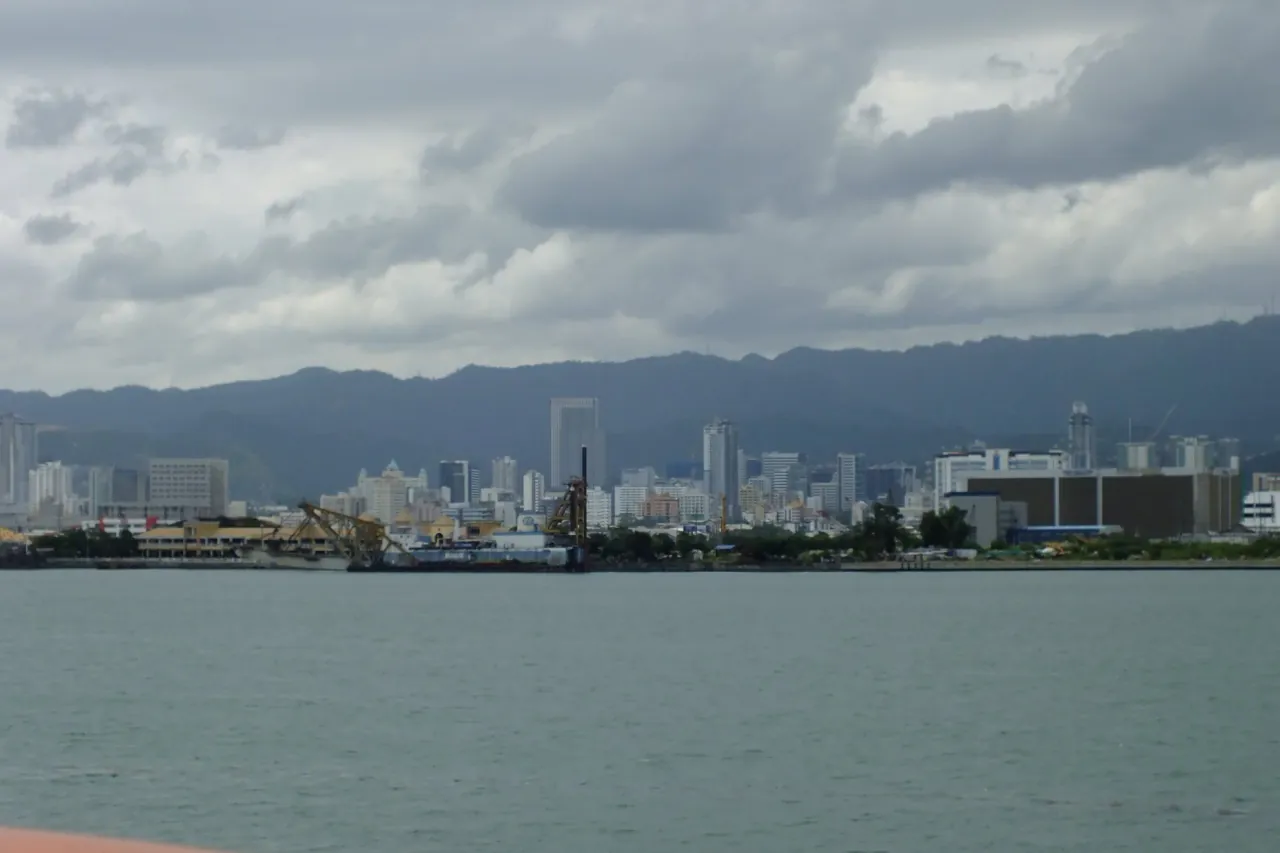
In short
What to know in 30 seconds.
- Studios run ₱3,500 in Capitol/Colon to ₱35,000 in IT Park. Mid-tier Mabolo/Banilad is ₱7,000–28,000.
- VECO electricity is the biggest hidden cost: ₱14.96/kWh (August 2026 (+₱0.06)). AC choice swings your bill by ₱1,500–2,000/mo.
- Typhoons are real — Tino killed ~139 people in Cebu City in November 2025. Ground-floor near any river is the risk.
- Four tertiary hospitals inside metro Cebu. HMO-friendly. Private ER visit uninsured: ₱3,000–15,000.
- First-month spend before rent: ₱45,000–60,000 (2-month deposit + advance + VECO deposit + internet install + essentials).
- Budget ₱35,000+/month for a modest all-in life. Under ₱22,000 is uncomfortable but possible.
At a glance
Studio rent
₱3.5k–35k
/mo · by neighborhood
Electricity
₱14.96
/kWh · VECO · August 2026 (+₱0.06)
Water
₱259+
/mo · MCWD first 10 cu.m.
Solo (modest)
₱35–45k
/mo · all-in
Monthly budgets
What you'll actually spend.
Three tiers, solo. Every line cross-referenced to Lamudi, Rentpad, VECO, MCWD, Converge, and LTFRB published rates. Rent sits at ~40% of the total at every tier. For a personalized breakdown try the cost calculator.
| Category | Range | Notes |
|---|---|---|
| Rent (budget room, Capitol/Colon or outer Mandaue) | ₱5,000–₱9,000 | No AC, older building |
| Electricity (VECO) | ₱1,500–₱2,500 | No AC, fans only |
| Water (MCWD) | ₱260–₱400 | |
| Internet (entry fiber) | ₱1,499–₱1,699 | |
| Food | ₱6,000–₱9,000 | Carinderia + cooking |
| Transport | ₱1,000–₱2,000 | Jeepney ₱13 base |
| Phone | ₱300–₱600 | |
| Misc | ₱1,000–₱2,000 | |
| Total | ₱16,559–₱27,199 |
Sources: Lamudi, Rentpad, VECO tariff filings, MCWD rate schedule, Converge/PLDT plans, LTFRB March 2026 fare matrix.
| Category | Range | Notes |
|---|---|---|
| Rent (studio, Mabolo/Banilad/Lahug) | ₱12,000–₱18,000 | Inverter AC, newer building |
| Electricity (VECO) | ₱2,250–₱3,150 | 1.5HP inverter AC 8 hrs/day |
| Water (MCWD) | ₱350–₱700 | |
| Internet (Converge/PLDT fiber) | ₱1,499–₱1,999 | |
| Food | ₱8,000–₱12,000 | Cooking + carinderia + some dining out |
| Transport | ₱2,000–₱4,000 | Jeepney + Grab |
| Phone | ₱500–₱800 | |
| HMO (self-pay) | ₱800–₱2,500 | |
| Misc | ₱2,000–₱4,000 | |
| Total | ₱29,399–₱47,149 |
Sources: Lamudi/Rentpad listings, VECO Apr–May 2026 rate, MCWD final-tranche schedule, Grab fare estimator, Maxicare/Medicard published premiums.
| Category | Range | Notes |
|---|---|---|
| Rent (studio or 1BR, IT Park/CBP) | ₱22,000–₱40,000 | Solinea, Avida, Baseline |
| Condo dues | ₱2,000–₱8,000 | |
| Electricity (VECO) | ₱3,850–₱5,000 | 2HP inverter AC 10 hrs/day |
| Water (MCWD) | ₱500–₱900 | |
| Internet (1 Gbps fiber) | ₱2,499–₱3,199 | |
| Food | ₱12,000–₱18,000 | Regular dining out |
| Transport | ₱3,000–₱6,000 | Grab-heavy |
| Phone | ₱800–₱1,500 | |
| HMO | ₱1,500–₱3,000 | |
| Misc / lifestyle | ₱5,000–₱10,000 | Gym, dining, Grab, leisure |
| Total | ₱53,149–₱95,599 |
Condo dues from Solinea, Avida, and Baseline building admin sheets (Apr 2026). Other lines same sourcing as modest tier.
City comparison
Cebu vs Manila vs Davao.
Same categories, same methodology, same timestamps. Ranges reflect mid-tier neighborhoods in each city.
| Cebu | Manila (outside BGC) | Davao | |
|---|---|---|---|
| Studio rent (mid-tier) | ₱12,000–22,000 | ₱16,000–28,000 | ₱8,000–15,000 |
| Electricity (kWh) | ₱14.96 VECO | ₱11–12 Meralco | ₱10–12 DLPC |
| Water (minimum) | ₱259 MCWD | ₱290+ Maynilad | ₱209 DCWD |
| Internet (fiber, mid) | ₱1,499–1,999 | ₱1,499–2,199 | ₱1,499–1,999 |
| Jeepney base fare (national, same everywhere) | ₱13 | ₱13 | ₱13 |
| Typhoon exposure | Major | Major | Outside the belt |
| BPO job density | High (IT Park, CBP) | Highest | Growing, smaller |
| Groceries (solo/mo) | ₱7,500–12,000 | ₱9,000–14,000 | ₱7,000–11,000 |
Neighborhoods
Where to rent.
Rent depends almost entirely on which area you pick. Named buildings, commute times, and flood notes for each — click through for the full guide.
Not sure which? Match your preferences 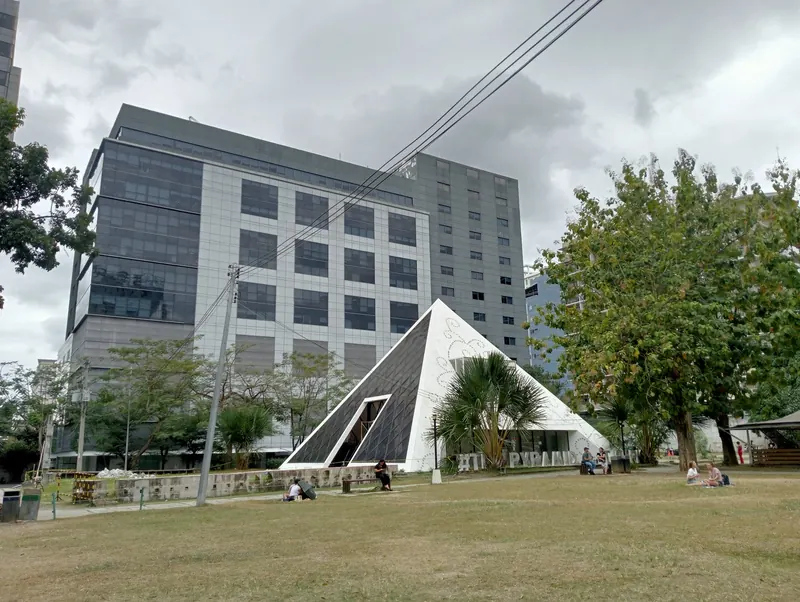
IT Park & Cebu Business Park
₱15,000–35,000 studio · early 2026
IT Park & Cebu Business Park
₱15,000–35,000 studio · early 2026
Where the BPO money is. Walking distance to Accenture, JPMorgan, Concentrix, Teleperformance, TaskUs. Food everywhere, 24/7 foot traffic. Highest rents in the city — most units are small studios in high-rise condos.
- Named buildings
- Avida Towers Cebu · Solinea · Baseline Residences · Calyx Centre · 1016 Residences
- Commute
- On-foot to most BPO towers. Ayala Center 5 min off-peak, 20–30 min at 6 pm via Archbishop Reyes Ave.
- Flood note
- Modern drainage. Relatively flood-safe compared to the rest of the city, but high-rise power outages still bite during typhoons.
Best for
- BPO workers wanting zero commute
- Remote workers who like the center
- Short-stay expats testing the city
Watch out
- Condo dues ₱2,000–8,000/mo on top of rent
- Power outages hit high-rises hard during typhoons
- Weekend noise from the 24/7 food scene
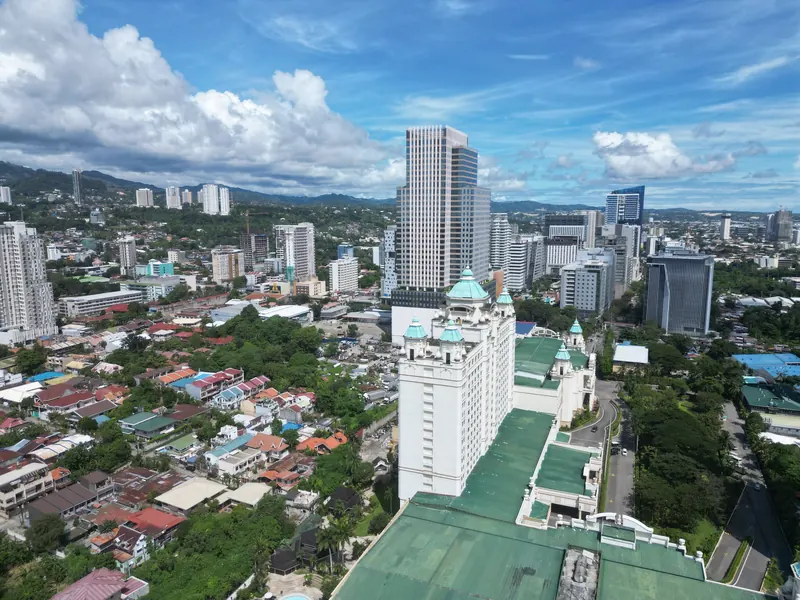
Lahug
₱10,000–25,000 studio · early 2026
Lahug
₱10,000–25,000 studio · early 2026
Just uphill from IT Park. Mix of older apartments, newer condos, standalone houses. JY Square is the commercial hub — groceries, food stalls, hardware.
- Named buildings
- The Persimmon · Marco Polo Residences · One Pavilion Place
- Commute
- IT Park 5–10 min by jeepney from JY Square. Upper Lahug adds 10–15 min and a steep climb.
- Flood note
- Upper roads are steep and drain fast. Lower sections near Guadalupe River flooded in Tino (November 2025).
Best for
- IT Park commuters on a tighter budget
- Renters who want older apartments or houses over condos
Watch out
- Upper roads are steep and flood-prone
- Weak MCWD water pressure above JY Square
- Tino (Nov 2025) flooded central Lahug — typhoons break the upland-safe heuristic
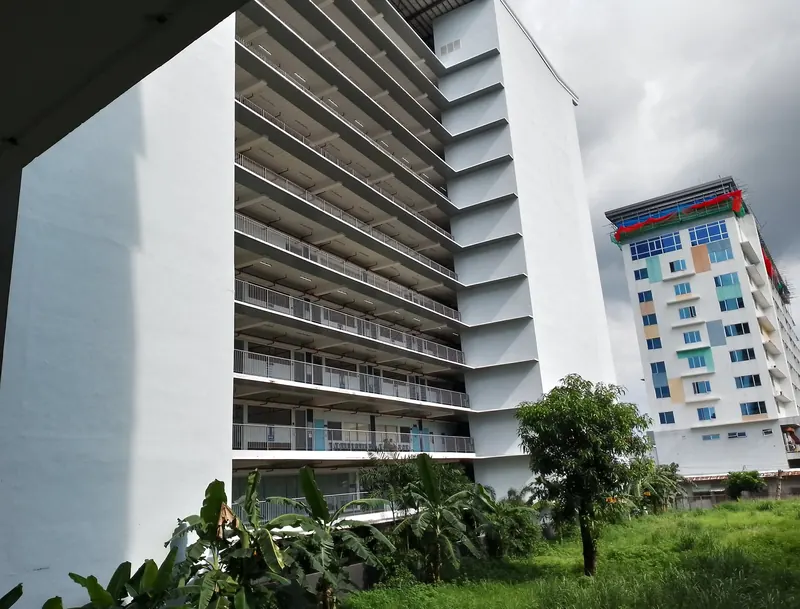
Banilad
₱12,000–28,000 studio · early 2026
Banilad
₱12,000–28,000 studio · early 2026
Residential, quieter, close to Gaisano Country Mall and Cebu International School. Popular with families and expats who want space. More houses for rent here than IT Park or Lahug.
- Named buildings
- 32 Sanson by Rockwell · Mivesa Garden Residences · Banilad Town Centre
- Commute
- IT Park 15–25 min via Gov. M. Cuenco Ave. Rush hour doubles that.
- Flood note
- Kinalumsan River corridor floods in major typhoons. Low-lying sections below the Maria Luisa subdivision are the riskiest.
Best for
- Families wanting residential calm
- International-school families
- Remote workers who need 2BR+ units
Watch out
- Traffic on Gov. M. Cuenco Ave during rush
- Fewer walkable food options than IT Park
- Kinalumsan-adjacent units flood during heavy rain
Mabolo
₱7,000–18,000 studio · early 2026
Mabolo
₱7,000–18,000 studio · early 2026
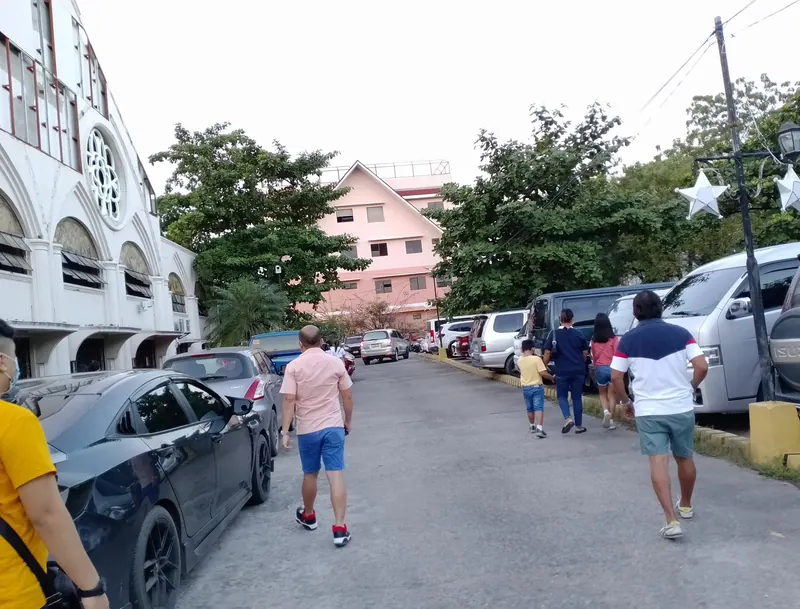
Budget-friendly, 10–15 min jeepney to IT Park. Mix of boarding houses, apartments, mid-rise condos. Korean restaurant row on A.S. Fortuna extension. CITYCENTRE area is elevated and flood-safe.
- Named buildings
- Park Centrale Tower · Azalea Place · Mabolo Garden Flat
- Commute
- IT Park 10–15 min by jeepney, or 10–15 min on foot via S.B. Cabahug St from the elevated core.
- Flood note
- Mahiga Creek runs through lower sections — units within two blocks of the creek flooded during Tino (November 2025).
Best for
- BPO workers on a budget with short-commute tolerance
- Korean expats (Korean restaurant row on A.S. Fortuna)
Watch out
- Streets near Mahiga Creek flood during typhoons
- Ask neighbors about drainage before you sign
Mandaue City
₱5,000–15,000 studio · early 2026
Mandaue City
₱5,000–15,000 studio · early 2026
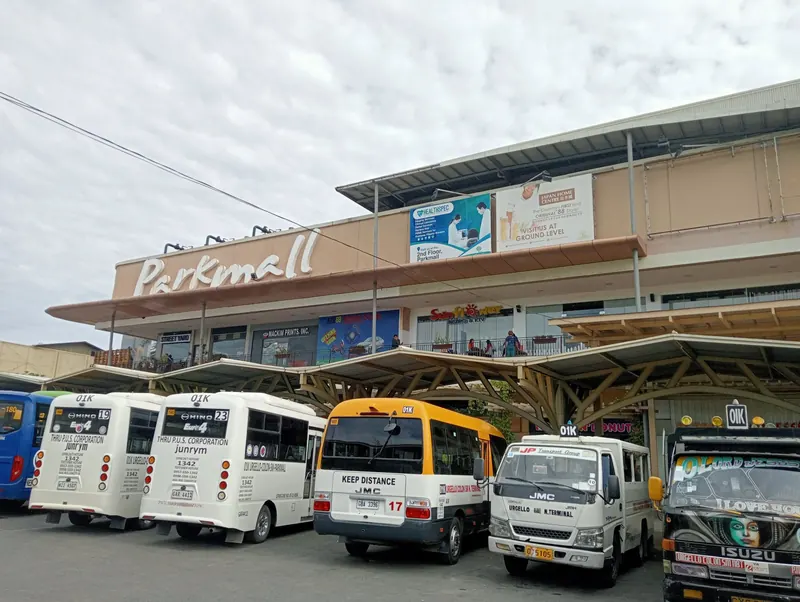
Separate city, connected to Cebu. Industrial-commercial feel, affordable, near manufacturing zones and the Mactan bridges. Parkmall and Pacific Mall are the main commercial hubs.
- Named buildings
- Amaia Steps Mandaue · Midori Residences · Mesatierra Garden Residences
- Commute
- IT Park 15 min off-peak via A.S. Fortuna, 40–50 min at rush. Mactan airport 20–35 min via Marcelo Fernan Bridge.
- Flood note
- Butuanon River corridor through central Mandaue floods in every major typhoon. Check flood history before signing anywhere near A.S. Fortuna.
Best for
- Budget-first renters
- Workers at Mandaue manufacturing or Parkmall / Pacific Mall
- People who don't need Cebu proper day-to-day
Watch out
- Bridge-area traffic heading into Cebu City
- Factory and truck noise near the industrial zones
- Butuanon River flood zone runs through the center
Capitol & Colon (Downtown)
₱3,500–10,000 studio · early 2026
Capitol & Colon (Downtown)
₱3,500–10,000 studio · early 2026
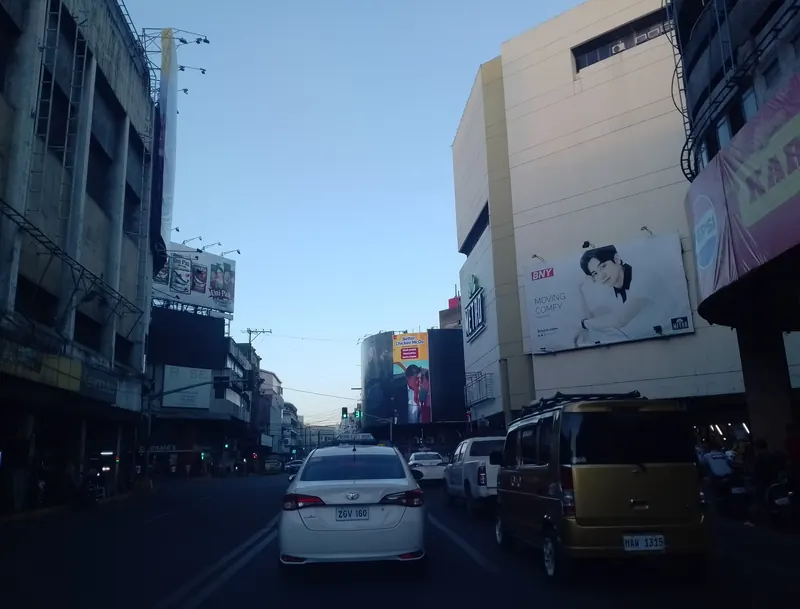
Cheapest rent in metro. Colon Street — oldest in the Philippines — dense, loud, packed. Excellent jeepney access and Carbon Market for groceries. Budget choice, not lifestyle choice.
- Named buildings
- Rosewood Pointe · Cebu Plaza Residences · older walk-ups
- Commute
- IT Park 20–30 min by jeepney via Osmeña Blvd. Heavy at school-hour rush.
- Flood note
- Guadalupe River corridor floods in major typhoons. Colon Street itself is relatively elevated but neighboring blocks along Osmeña Blvd do flood.
Best for
- Students and minimum-wage workers
- Absolute lowest rent in the metro
Watch out
- Higher petty crime, especially at night around Colon Street
- Constant noise and older, less-maintained units
- Visit the exact street at night before signing
Talamban
₱5,000–14,000 studio · early 2026
Talamban
₱5,000–14,000 studio · early 2026
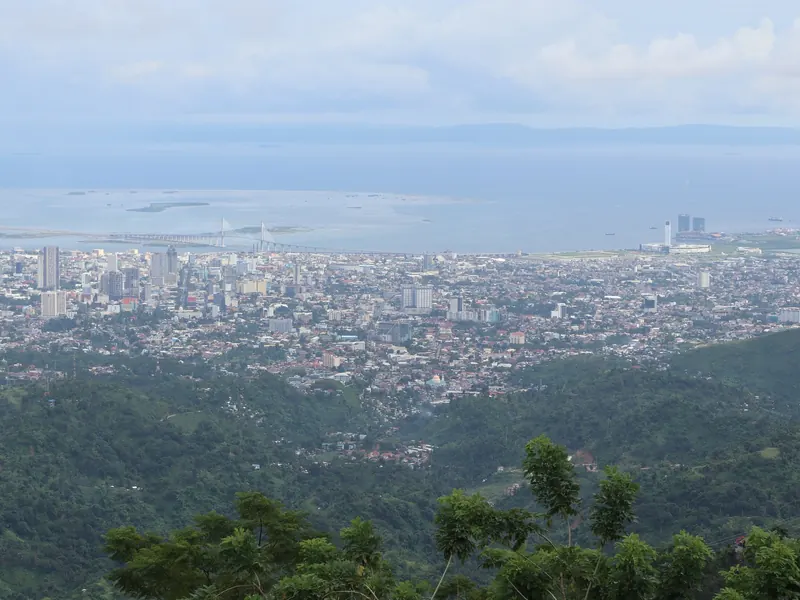
Upland near USC-Talamban. Cooler temps, more space, cheaper. Growing subdivisions and apartments for students and young professionals.
- Named buildings
- Be U Talamban · Pueblo Verde · Canyon Ranch
- Commute
- IT Park 20 min off-peak via Gov. M. Cuenco Ave, 35–45 min at rush. Limited public transport after 9 pm.
- Flood note
- Upland and generally flood-safe. Tradeoff: MCWD water pressure drops and scheduled interruptions are common. Deep-well backup matters here.
Best for
- USC-Talamban students
- People wanting cooler weather and more space
Watch out
- MCWD water unreliable uphill — you'll need a tank or a building with a deep well
- Limited public transport after 9pm
- Commute to IT Park is 30–45 min during rush
Utilities
What the bills actually run.
The biggest surprise for newcomers is the electricity bill. AC choice matters more than neighborhood.
Last verified April 14, 2026. VECO fluctuates monthly with generation charges. Deep dives: VECO bill breakdown, MCWD water bill, Cebu internet options.
Healthcare
Four tertiary hospitals inside metro Cebu.
Cebu's hospital density is the best in the Philippines outside Manila. All four accept the major HMOs. An uninsured ER visit runs ₱3,000–15,000 depending on severity.
Cebu Doctors’ University Hospital
Capitol · Osmeña Blvd
Largest private tertiary hospital in the Visayas. Strong ER, full specialty coverage. Accepts Maxicare, Medicard, Intellicare, PhilCare.
Chong Hua Hospital
Fuente Osmeña · Mandaue (A.S. Fortuna)
Two campuses. Fuente is the historic main. Mandaue is newer, easier from IT Park. Both are HMO-friendly.
Perpetual Succour Hospital
Gorordo Avenue · Lahug
Mid-size Catholic hospital. Good OB-GYN and pediatrics. Walkable from IT Park and upper Lahug.
UC Medical Center (UCMed)
Mandaue · Banilad corridor
Newer private tertiary with modern infrastructure. Strong imaging and diagnostics. Close to IT Park and Banilad families.
Full breakdown with ER fees, HMO acceptance, and specialty coverage: Healthcare and hospitals in Cebu City.
Typhoon reality
What Tino changed.
Typhoon Tino (international name Kalmaegi) made landfall on November 4, 2025. It killed around 188 people in the Philippines, with roughly 139 fatalities in Cebu City alone, and displaced more than 500,000. The World Bank released USD 500 million in emergency support. It was the deadliest Cebu typhoon in a decade. If you rent here, housing choice is risk management.
Flood-risk corridors
- Guadalupe River — through Capitol and lower Lahug
- Kinalumsan River — Banilad low-lying sections
- Mahiga Creek — lower Mabolo
- Butuanon River — central Mandaue corridor
MGB Region 7 lists 22 flood-susceptible barangays in Cebu City. Check their hazard maps before signing.
Before you sign a lease
- Avoid ground-floor units near any of the four rivers above.
- Ask the landlord how the building fared during Tino. Photos ideal.
- High-rises in IT Park and CBP are structurally safer but lose power and water for days — check generator coverage.
- July–December is peak exposure. Move before or after if you can.
Monitor PAGASA advisories during June–December and check the MGB Region 7 hazard maps before you sign.
Before you land
Your first month, one tile at a time.
Six things to sort in the first 30 days. Each links to a dedicated runbook.
Visa options
Tourist · SRRV · work · spouse
Read runbookOpen a bank account
BDO · BPI · Metrobank — what foreigners need
Read runbookGet a local SIM
Globe · Smart · DITO coverage + plans
Read runbookFirst-month runbook
Day-by-day setup after you land
Read runbookAvoid rental scams
The 4 most common Cebu traps
Read runbookYour deposit, your rights
RA 9653 + what landlords won’t tell you
Read runbookDeep dives
Every Cebu guide, by topic.
The full set of LiveInPH Cebu articles, grouped by what you're actually trying to figure out. Each one stands on its own — start wherever your question lives.
Renting
Lease, listings, traps
Complete renting guide
Lease structure, deposits, viewings, scams
Read guideMonthly rental prices
Per-sqm map across all major neighborhoods
Read guideBudget rentals
Sub-PHP 10,000 corridors and tradeoffs
Read guideHidden rental costs
Dues, broker fees, the real total
Read guideShort-term vs hotels
Serviced-apartment middle path
Read guideFurnishing costs
Mandaue Foam, the appliance ladder
Read guideCost & budgets
What it adds up to
Utilities
VECO · MCWD · fiber · gas
VECO electricity
Rates, AC math, deposit refund
Read guideCut your VECO bill
Setpoints, timers, phantom load
Read guideAircon sizing
HP, brand tiers, R32 vs R410A
Read guideMCWD water bill
Tier rates, upland supply, transfers
Read guideInternet by area
Converge vs PLDT vs Globe
Read guideBrownouts & backup power
UPS, power station, generator tiers
Read guideLPG cooking gas
Tank sizes, refill prices, delivery
Read guideLiving in Cebu
Health · safety · seasons
Towns & suburbs
Metro Cebu, town by town
Who it's for
Cebu works, and where it doesn't.
Cebu works if
- You need BPO or corporate work — Accenture, JPMorgan, Concentrix, Teleperformance, TaskUs, Sutherland all sit in IT Park or CBP.
- Your monthly budget is ₱35,000+ (all-in). Below that, VECO rates will squeeze you.
- You want strong domestic flight connections. Mactan-Cebu International is the second-busiest airport in the country.
- You value real healthcare access. Four tertiary hospitals inside metro Cebu.
- You’re comfortable managing typhoon risk with informed housing choices (elevation, drainage, building age).
Cebu doesn't work if
- Your total monthly budget is under ₱22,000. It’s possible but uncomfortable — no AC, budget room in Capitol/Colon, one bad month ends it.
- You can't handle traffic. A.S. Fortuna at rush is a 45-minute crawl.
- You need a guaranteed typhoon-free base. Choose Davao — outside the belt entirely.
- You want space, quiet, and wide sidewalks. Cebu is dense and loud.
- You’re renting in upland Talamban, Pit-os, or Busay and can’t tolerate MCWD water interruptions.
Reality check
What nobody tells you.
Typhoons hit harder than the advisories read
Typhoon Tino (Kalmaegi, November 4, 2025) killed around 188 people in the Philippines — roughly 139 of them in Cebu City alone — and displaced more than 500,000. The World Bank released USD 500 million in response. Some Mabolo and Mandaue units flooded to the second floor. Factor in power outages, flooding, disruption. Some condos have generators — most apartments don't. Ask before signing.
Sinulog shuts the city down
Third Sunday of January. Two weeks of road closures, parades, and noise around Fuente Osmeña and the Basilica. Grab multipliers spike. Don't schedule a move during Sinulog.
Water pressure varies by elevation
MCWD struggles in upland barangays (Talamban, Pit-os, Busay, upper Lahug). Renting above 100m? Ask about the water tank. No tank = empty faucets at peak hours. Some buildings supplement with deep wells — confirm before signing.
Electricity will surprise you
VECO is the most expensive distributor in the Visayas. Coming from Davao? Expect 15–25% higher bills for the same usage. Non-inverter AC at 8 hours/day on a 1.5HP unit runs ₱3,650–4,250 — often the second-largest line item after rent.
FAQ
Questions readers actually ask.
How much does it actually cost to live in Cebu City per month in 2026?
A lean solo budget runs ₱22,000–28,000 (no AC, outer neighborhoods, carinderia meals). A modest mid-range solo budget is ₱35,000–45,000 (inverter AC in a mid-tier area like Mabolo or Banilad, mix of cooking and eating out). Comfortable is ₱60,000–85,000 with a good condo in IT Park or CBP, regular dining out, HMO, and Grab rides. Rent is roughly 40% of the budget at every tier. VECO electricity at ₱14.96/kWh is usually the second-largest line item.
Why is VECO electricity so expensive compared to the rest of the Philippines?
Visayan Electric's all-in residential rate was ₱14.96/kWh for August 2026 (+₱0.06) billing — among the highest in the Visayas and roughly 15–25% above Davao Light. Generation charges dominate the bill, and VECO sources most of its power from coal plants with transmission costs layered in. A 1.5HP non-inverter AC running 8 hours a day costs ₱3,650–4,250/month. Inverter drops that to ₱2,250–3,150. The AC type matters more than the neighborhood for your electric bill.
Is Cebu City safe from typhoons?
No — Cebu sits in the typhoon belt and takes a direct hit roughly every 2–4 years. Typhoon Tino (Kalmaegi, November 4, 2025) killed around 188 people in the Philippines, with roughly 139 fatalities in Cebu City alone, and displaced more than 500,000 people. Ground-floor units near Guadalupe River, Kinalumsan River, Mahiga Creek, or Butuanon River are the highest-risk. Modern high-rises in IT Park and CBP are structurally safer but still lose power and water for days. Check MGB Region 7 hazard maps before signing any lease between July and December.
Which neighborhoods in Cebu are best for expats?
For BPO workers and remote workers, IT Park and Cebu Business Park offer zero commute but the city's highest rents (₱15,000–35,000 studios). Lahug is the same area one tier cheaper (₱10,000–25,000). Banilad suits families — residential calm, Cebu International School nearby, bigger units (₱12,000–28,000). Mabolo is the budget IT Park alternative (₱7,000–18,000). Mandaue is cheapest with good Mactan airport access. Capitol/Colon is only for tight budgets. Talamban is for students and cooler weather, but has MCWD water issues.
Do I need a visa to live in Cebu, and how long can I stay on a tourist visa?
Most Western passports get a 30-day visa-free entry. Extensions at the Bureau of Immigration office in Mandaue (J. Centre Mall) push it to 36 months total. For longer stays, the SRRV (Special Resident Retiree's Visa) is the common expat route — USD 10,000 deposit at age 50+, or USD 20,000 for under-50 classic. A work visa (9G) requires an employer sponsor. Spouse visas (13A) are available for those married to Philippine citizens.
Weighing it up
Cebu is not the only option.
Two alternatives, two different trades. Davao buys you no typhoons, cheaper utilities and a slower pace. Iloilo buys you a lower rent ceiling and calmer traffic, and costs you airport reach and hospital depth. Both are covered on the same ledgers as Cebu.
Methodology
How we build these numbers.
Every price is a range, not a single figure. Every range is triangulated from at least two sources — published tariffs, government filings, portal listings cross-referenced against local reports. Where a number comes from one source only, we say so. Pages are re-verified quarterly; this one was last verified April 14, 2026.
Primary sources cited on this page
- Visayan Electric (VECO) — tariff announcements
- Metropolitan Cebu Water District (MCWD)
- Philippine Statistics Authority (PSA)
- PAGASA — weather and typhoon advisories
- LTFRB — jeepney and TNVS fare matrices
- Bureau of Immigration — visa requirements
- Converge ICT (fiber plans)
- MGB Region 7 — hazard maps
Editorial: LiveInPH. Every figure on this page is logged against a dated source and re-verified quarterly. Found something that looks wrong? The fastest fix is a note on the article page closest to the claim — we review reader reports on every refresh.
The Cebu datasets behind these numbers
The ledgers this page reads are published as named datasets, each with a permanent page, dated history and a CC BY 4.0 download, so a figure quoted here can be traced back to the row it came from. Listed below is everything the catalog registers for Cebu, which is not always the same set as the figures shown above.
- Cebu Electricity Rate Series (VECO) as of 2026-08 CSV JSON
- Cebu Water Tariff (MCWD) as of 2026-04 CSV JSON
- Philippine Peso FX Rates (BSP) as of 2026-09-10 CSV JSON
- Cebu rent baseline (editorial) as of 2026-05 CSV JSON
- Central Visayas Inflation (PSA-7) as of 2026-08 CSV JSON
- Cebu Minimum Wage (RTWPB-VII) as of 2025-10 CSV JSON
- Cebu Staple Food Prices (PSA) as of 2026-04 CSV JSON
- Cebu PUV Fares (LTFRB) as of 2023-10 CSV JSON
The full catalog, including the other cities, is at /data.