A 100-tablet supply of atorvastatin runs PHP 35 at a generics pharmacy and PHP 4,500 at the same dosage in branded form down the road. That is not an outlier. It is the rule across almost every chronic-disease medication in the Philippines, and most expats spend their first six months overpaying because the pharmacist will quote the branded version unless they are asked otherwise. The pharmacy system here is built around a six-decades-old generics framework and a much newer Cheaper Medicines Act, both designed to drive total drug spending down. The catch is that none of the savings flow to a foreigner who walks in and asks for "Lipitor" by name.
This is the chain-by-chain, prescription-rule-by-rule, controlled-substance reality. The legal floor is set by the FDA Philippines and PDEA. The practical floor is set by which pharmacist is on shift at which branch.
The chains: which one for what
Mercury Drug, Watsons, Generika, South Star, and The Generics Pharmacy run differently enough that picking the right counter for the right need cuts the annual pharmacy bill substantially. Rose Pharmacy operates as a regional fifth option in some areas.
Mercury Drug is the dominant chain. More than 1,300 stores nationwide as of 2026, the densest 24-hour coverage, the broadest formulary including imported branded medications other chains do not stock. It is the only chain where you reliably find chemotherapy support medications and rare-disease drugs without ordering ahead. It is also the most expensive pharmacy across most categories. For an emergency refill at 3 AM, for a specialty medication a foreign Rx mentions, for the prescription a Cebu Doctors ER hands you at discharge: Mercury Drug. For routine maintenance refill at 2026 prices, it is the worst-value option on a like-for-like basis.
Watsons runs 800+ branches in major retail locations: every SM mall, every Ayala Center, every major condo neighborhood. The pharmacy counter is real but the operating model is health-and-beauty, skincare, and OTC product. Pricing on prescription drugs sits slightly below Mercury Drug. The strength is the dual mode: pick up the Rx and the personal-care basket in one stop. The weakness is formulary depth. Watsons branches stock the common 200–300 SKUs deeply and the long tail thinly.
Generika Drugstore is the generics-first chain, around 800 branches and growing, often partnered with the Department of Health on essential-medicines programs. Pricing on the generic catalogue is consistently the lowest of the major chains, frequently 15–25 percent below Mercury Drug's generic equivalent for the same molecule. The trade-off: if your medication has no generic in the Philippines (newer molecules, specialty branded drugs), Generika does not stock it.
South Star Drug is the regional chain with deep Cebu and Visayas coverage, with 600+ branches concentrated outside Metro Manila. Pricing tracks slightly below Mercury Drug, formulary tracks slightly below Watsons. South Star wins on the localized branch density: there is one near you in Talisay, in Consolacion, in Mandaue, and in Lapu-Lapu where Mercury Drug coverage thins. For day-to-day refills outside the city core, South Star is often the closest option.
The Generics Pharmacy (TGP) is the discount-generics outlier: 2,000+ branches, all-generics catalogue, lowest sticker price across most categories. The locations are mostly small store-front pharmacies in neighborhoods and provincial centers rather than mall branches. TGP is the right buy for chronic maintenance medication where you know exactly what you need; it is the wrong stop for anything unusual.
What it actually costs: generics vs branded, 2026 Cebu pricing
The 60–80 percent generic-versus-branded spread holds across nearly every category. Below are the maintenance medications most foreigners arrive on, with 2026 Cebu chain pricing.
| Medication (dose) | Branded (Mercury/Watsons) | Generic (Generika/TGP) | Annual saving on generic |
|---|---|---|---|
| Atorvastatin 20mg (Lipitor) | PHP 35–50/tablet | PHP 5–12/tablet | PHP 9,000–14,000 |
| Losartan 50mg (Cozaar) | PHP 32–45/tablet | PHP 4–9/tablet | PHP 9,000–13,000 |
| Metformin 500mg (Glucophage) | PHP 10–15/tablet | PHP 2–4/tablet | PHP 2,800–4,000 |
| Sertraline 50mg (Zoloft) | PHP 45–65/tablet | PHP 12–20/tablet | PHP 10,000–14,000 |
| Amlodipine 5mg (Norvasc) | PHP 28–40/tablet | PHP 3–7/tablet | PHP 8,000–11,000 |
| Omeprazole 20mg (Losec) | PHP 25–40/tablet | PHP 4–10/tablet | PHP 6,000–10,000 |
| Levothyroxine 50mcg (Euthyrox) | PHP 15–25/tablet | PHP 6–12/tablet | PHP 2,500–4,500 |
| Salbutamol inhaler (Ventolin) | PHP 350–450/inhaler | PHP 180–250/inhaler | PHP 800–1,500/year |
The math on a foreigner with three maintenance medications (a statin, a blood-pressure med, and an SSRI) lands around PHP 25,000–35,000 per year on full branded versus PHP 5,000–8,000 on full generic. PhilHealth covers a thin slice of in-patient medication only; outpatient maintenance is mostly out-of-pocket regardless of your HMO coverage.
Prescription rules: what the law says vs what actually happens
The Philippines splits drugs into three legal tiers and the practical experience of each is different.
Over-the-counter (OTC): paracetamol, ibuprofen, loperamide, antacids, most cold-and-flu products, basic vitamins. No prescription required, no questions asked. Sold at any drugstore, sari-sari store, gas station convenience counter.
Prescription (Rx): antibiotics, antihypertensives, statins, antidepressants, most chronic-disease medication. Technically requires a valid prescription. In practice, dispensing without an Rx is common at independent pharmacies and not unheard of at chain branches, particularly for repeat customers or for medications the pharmacist judges to be low-risk. The pharmacy chains have tightened up in 2024–2025 in response to FDA inspections, so Mercury Drug, Watsons, and Generika branches will increasingly ask for an Rx, but they will often accept a clear photo of a foreign prescription, a hospital discharge summary, or a chat-message screenshot from a doctor.
Dangerous drugs (S2, yellow prescription): opioids (tramadol, codeine, oxycodone, fentanyl), ADHD stimulants (methylphenidate/Concerta/Ritalin, amphetamine salts/Adderall), most benzodiazepines (alprazolam/Xanax, diazepam/Valium, clonazepam/Klonopin), ketamine. These require a yellow S2 Rx from a Philippine-licensed physician, full stop. A foreign prescription does not work. The S2 pad is tightly tracked by PDEA. Physicians who write controlled substances are inspected, the pads are numbered, and the dispensing pharmacy logs the patient ID against the central register. Trying to bring in your home-country supply through Customs courier or in checked baggage is a real risk on this category. Possession without a Philippine Rx, even for personal use, can trigger a Bureau of Customs hold and at the wrong end, possession charges.
The practical workflow for an expat on any controlled medication: book a private psychiatrist or internal medicine consultation within the first month, present your foreign Rx and clinical history, and get the Philippine yellow Rx written so the maintenance refill is sustainable.
Delivery, apps, and the urgent-refill pattern
Three pharmacy apps now run reliably in Cebu in 2026: Mercury Drug app, Watsons app, and Generika app. All three handle live inventory check, online order, same-day delivery via Grab or Lalamove integration (typical metro fee PHP 100–200), and Rx upload for prescription verification. The friction point is that the controlled-substance categories are not delivered; S2 prescriptions require in-person pickup with patient ID.
Foodpanda Shops carries Mercury Drug and selected Watsons inventory through the food-delivery app, useful for late-night OTC needs. GrabExpress and Lalamove can be sent to the nearest pharmacy directly for a 30–45 minute round-trip if you have a friend who can buy at the counter and the chain refuses the unaccompanied courier.
For chronic maintenance, the saving pattern is monthly bulk-fill at Generika or TGP (order a 30-day supply at once, generic SKU, pickup at a single branch) rather than weekly top-ups at a Mercury counter at branded prices.
Hospital pharmacy vs neighborhood pharmacy on discharge
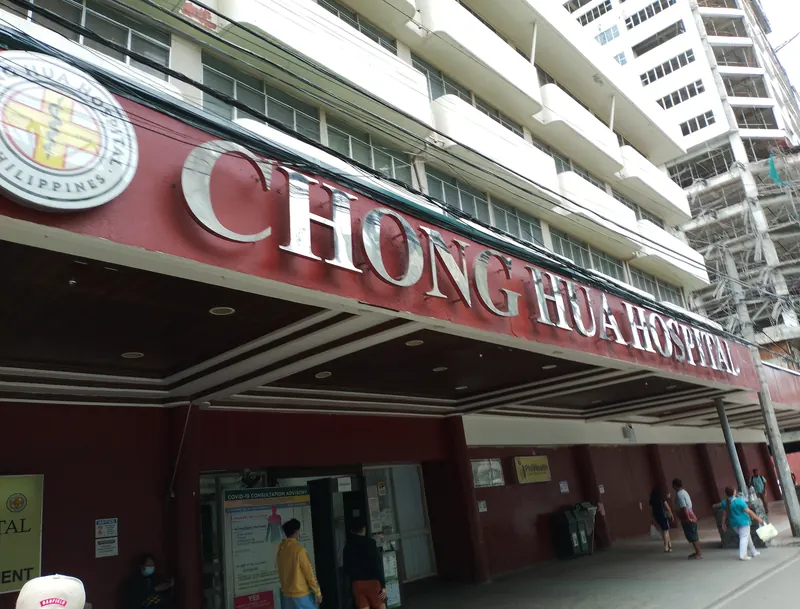
The medication a Cebu hospital hands you at emergency-room discharge will be priced at the hospital pharmacy rate, which is the worst rate available, typically 20–40 percent above Mercury Drug. The discharge nurse will not volunteer that the Rx can be filled outside the hospital. For anything in 5–7 day post-discharge quantities, the saving on filling at Generika or Watsons across the road is PHP 500–2,500.
The exception worth noting: post-surgery and post-procedure patients sometimes need medication categories the chain pharmacies do not stock at the moment they need them, and the hospital pharmacy is the only source of a same-hour fill. For the first 24-hour pack, the hospital pharmacy is the right answer. For day 2 onward, take the prescription to the chain.
The take
The drug pricing model in the Philippines runs on two parallel tracks: a premium-branded track that mostly serves the unaware, and a generics track that the law was designed to push everyone toward. A foreigner who learns to ask "is there a generic?" at every counter visit, and who books the early Philippine doctor consultation to get the local prescription pad on file, spends a fraction of what an unaware expat spends on the same maintenance regimen. The chains differ enough that the right answer is not one chain. It is Mercury Drug for the urgent and the unusual, Generika or TGP for the chronic refill, Watsons for the dual-purpose mall trip. The legal floor is real on controlled substances and looser-than-advertised on everything else. Plan the prescription transition early and the cost flattens out.
FAQ
Frequently asked.
Can foreigners buy prescription medicine in the Philippines without a local prescription?
How much cheaper are generics than branded medicine in the Philippines?
Where is the nearest 24-hour pharmacy in Cebu?
Are antibiotics really sold over the counter in the Philippines?
How do I get my maintenance medication imported if it is not available in the Philippines?
Data note. Prices, rates, and details are verified as of publication and may change. Always confirm with the listed provider or landlord before committing. This article is informational, not financial, legal, or immigration advice. Full disclaimer.