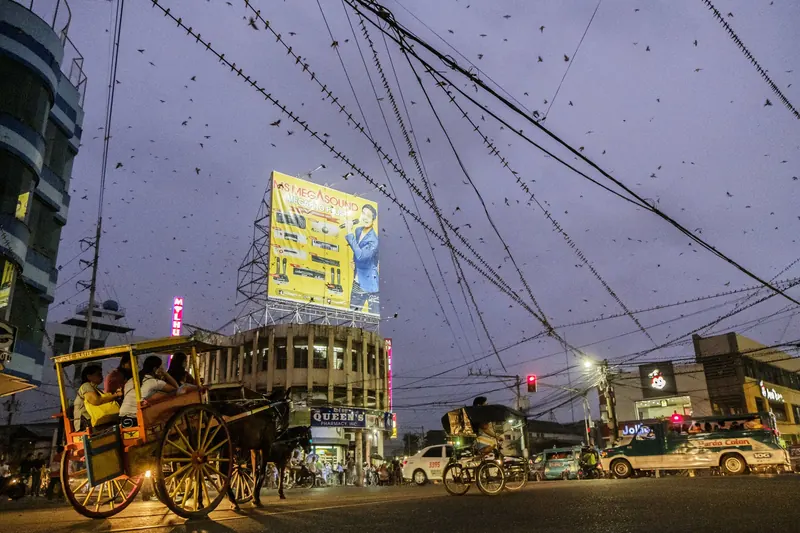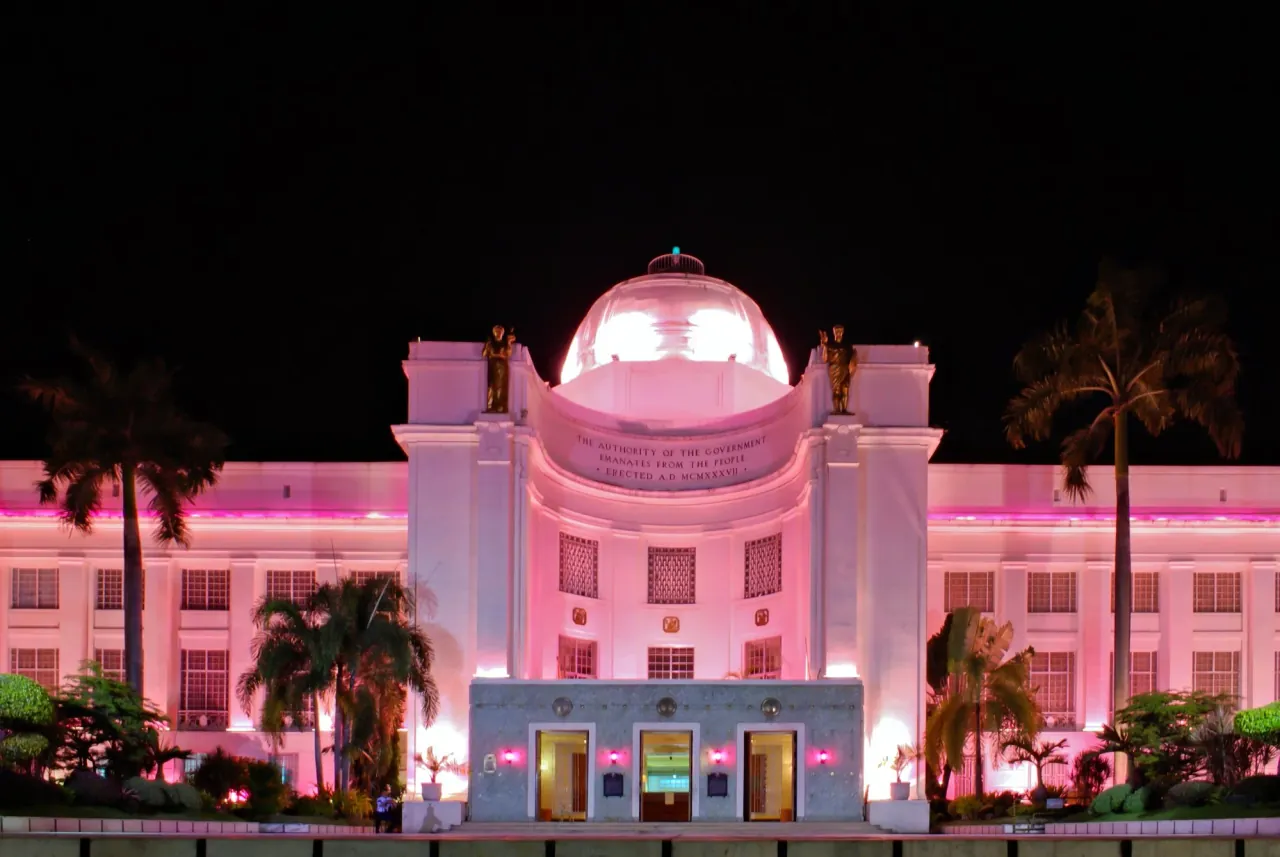
A single person can live in Cebu City for ₱22,000–₱38,000/month depending on neighborhood, aircon usage, and eating habits. The range covers rent, VECO electricity, MCWD water, internet, food, and transport. Cebu is roughly 20–30% cheaper than Metro Manila for rent. Electricity is the exception, and in July 2026 it went to a record ₱14.90/kWh, which is the biggest single change to this page this year.
Every figure below is a range because Cebu is unusually sensitive to three variables most cost-of-living pages collapse into an average: which barangay you pick (a 4x spread on rent), how long you run aircon (a PHP 6,500/month swing at current rates), and whether you shop Carbon or SM (a 30–40% gap on produce). Get those three right and the monthly math is predictable. Get them wrong and PHP 38,000 becomes PHP 55,000 before you notice.
If you are converting to a home currency, do it against the live BSP reference rate rather than a number you read in a blog post. The current mid rate is ₱62.49/USD (BSP RERB, 10 Sep 2026) and the full five-currency series is published at /data/php-fx-rates. We deliberately print no hardcoded dollar equivalents on this page: the peso moved about 6% against the dollar in the first half of 2026, and a hand-typed conversion is wrong within a quarter.
How Much Does Rent Cost in Cebu City?
Rent is the biggest monthly expense for almost every renter, and it is also the figure on this page with the weakest evidence behind it, so read the basis before you use the numbers.
A studio in Cebu City runs from ₱5,000–₱35,000/month across the city. That spread is wide because Capitol and Colon sit at the low end while IT Park and Cebu Business Park push the high end. Most renters land in the middle, paying ₱10,000–₱18,000/month for a bare studio in Mabolo, Mandaue, or lower Lahug. Inside the park itself, the same unit type asks ₱18,000–₱35,000/month.
▸ Show the data table
| Segment | Low | Midpoint | High | n |
|---|---|---|---|---|
| IT Park / Cebu Business Park · Studio | ₱18,000 | ₱26,500 | ₱35,000 | — |
| IT Park / Cebu Business Park · 1BR | ₱25,000 | ₱40,000 | ₱55,000 | — |
| IT Park / Cebu Business Park · 2BR | ₱40,000 | ₱80,000 | ₱120,000 | — |
| Lahug · Studio | ₱14,000 | ₱19,500 | ₱25,000 | — |
| Lahug · 1BR | ₱20,000 | ₱27,500 | ₱35,000 | — |
| Banilad · Studio | ₱12,000 | ₱16,000 | ₱20,000 | — |
| Banilad · 1BR | ₱18,000 | ₱24,000 | ₱30,000 | — |
| Banilad · 2BR | ₱30,000 | ₱47,500 | ₱65,000 | — |
| Banilad · 3BR | ₱50,000 | ₱60,000 | ₱70,000 | — |
| Mabolo · Studio | ₱10,000 | ₱14,000 | ₱18,000 | — |
| Mabolo · 1BR | ₱20,000 | ₱27,500 | ₱35,000 | — |
| Mabolo · 2BR | ₱28,000 | ₱37,000 | ₱46,000 | — |
| Mabolo · 3BR | ₱45,000 | ₱55,000 | ₱65,000 | — |
| Mandaue · Studio | ₱10,000 | ₱14,000 | ₱18,000 | — |
| Mandaue · 1BR | ₱17,000 | ₱26,000 | ₱35,000 | — |
| Mandaue · 2BR | ₱15,000 | ₱17,500 | ₱20,000 | — |
| Capitol / Colon · Studio | ₱5,000 | ₱8,500 | ₱12,000 | — |
| Capitol / Colon · Room | ₱3,500 | ₱5,750 | ₱8,000 | — |
| Talamban · Studio | ₱12,000 | ₱18,500 | ₱25,000 | — |
| Talamban · 1BR | ₱26,000 | ₱30,000 | ₱34,000 | — |
| Talamban · Room | ₱3,500 | ₱5,250 | ₱7,000 | — |
Those bands are our editorial baseline, published in full at /data/cebu-rent-index. What that means in practice: we have never counted listings. There is no sample, so there is no median, no p25, and no p75, and the “midpoint” in the chart is nothing more cleverly derived than (low + high) / 2. We publish the basis rather than dress an estimate up as an index, and our full data policy sits at /methodology. Two segments deserve a specific warning. IT Park 2BR spans PHP 40,000–120,000 because the top of that band is luxury stock, so its midpoint describes no real apartment. And Talisay is absent entirely: we hold a floor for it and no defensible ceiling, so we publish nothing rather than invent a top.
Furnished units add 20–30% over bare rates. A furnished studio in Lahug that lists at PHP 20,000 might rent unfurnished at PHP 14,000–16,000. Negotiate. Landlords on Facebook Marketplace and Lamudi often have room to move, especially outside peak season.
Rent is not your only housing cost. Condo association dues in IT Park towers like Solinea and Avida run ₱2,000–₱8,000/month on top of rent, covering maintenance, elevators, security, and common-area utilities. Older walk-up apartments in Capitol and Mandaue rarely charge dues at all. The condo dues breakdown has the per-building numbers and the legal basis for what a corporation can and cannot bill you.
The monthly rentals pricing guide breaks the per-sqm and 1BR ranges down by neighborhood, and the budget rentals playbook covers the four tiers below PHP 12,000 that most listings flatten into one bucket. For a deeper look at each area, see the best neighborhoods guide and the individual breakdowns for IT Park and Lahug, Mabolo, Mandaue, and Capitol/Colon.
How Much Is Electricity in Cebu? (VECO Rates)
Electricity is the utility that catches newcomers out, and 2026 has been a bad year for it. Visayan Electric billed ₱14.96/kWh, August 2026 (+₱0.06) (Visayan Electric, 2026-08-20 (primary — utility's own peso figure), Aug 2026), the highest all-in residential rate the series has carried, after PHP 13.74 in June and PHP 12.88 in May.
▸ Show the data table
| Billing cycle | ₱/kWh | Source |
|---|---|---|
| Feb–Mar 2025 cycle | ₱11.13 | Philstar / The Freeman |
| Aug–Sep 2025 cycle | ₱11.60 | Philstar / The Freeman |
| Sep–Oct 2025 cycle (2025 peak) | ₱12.51 | SunStar Cebu |
| Oct–Nov 2025 cycle | ₱11.51 | Philstar / The Freeman |
| January 2026 | ₱11.72 | Newsline Philippines (single source — re-verify) |
| February 2026 (+₱0.35) | ₱12.79 | Philstar / The Freeman; SunStar Cebu |
| March 2026 | ₱12.36 | Visayan Electric official (stated in April announcement) |
| April 2026 (+₱0.21) | ₱12.57 | Visayan Electric official |
| May 2026 (+₱0.31) | ₱12.88 | Visayan Electric official, May 2026 cycle |
| June 2026 (+₱0.86) — named-secondary only | ₱13.74 | SunStar Cebu, 2026-06-28 (named secondary — Visayan Electric published no June peso figure) |
| July 2026 (+₱1.16, 2026 high) | ₱14.90 | Visayan Electric, 2026-07-18 (primary — utility's own peso figure) |
| August 2026 (+₱0.06) | ₱14.96 | Visayan Electric, 2026-08-20 (primary — utility's own peso figure) |
Two things about that number, and most Cebu cost pages will tell you neither. First, it is the utility’s own figure: Visayan Electric stated ₱14.90 in a post on 18 July 2026, where June’s ₱13.74 was only ever carried by SunStar Cebu as a named secondary. Our ledger flags that difference per cycle.
Second, and this is the one that should change your budget: ₱14.90 is not what July power cost. Generation charges hit roughly ₱11.00/kWh, and the all-in rate would have reached ₱17.59 had the ERC not approved deferring part of the recovery into later cycles. Around 70% of the spike was held back, not cancelled. Nobody has published the schedule on which it returns, so treat this figure as a floor with an undated tail rather than a settled price. The full cycle-by-cycle series, with its source and confidence for each point, is at /data/cebu-electricity-rate.
What the rate turns into on a bill depends almost entirely on aircon. A studio or 1BR without aircon draws roughly 110–180 kWh a month (lights, a fridge, a laptop, a fan), which at the current rate is ₱1,640–₱2,680/month. Aircon for six to eight hours nightly puts you around 260–400 kWh, or ₱3,870–₱5,960/month. Run it twelve hours or more and you are at 400–620 kWh, or ₱5,960–₱9,275/month.
Read your bill rather than trusting a single headline figure. The all-in rate moves every cycle with generation charges, transmission, and system loss, and it has moved by more than a peso between consecutive cycles this year. If you are on a landlord’s submeter, compare the effective per-kWh you are charged against the prevailing VECO rate above; a markup materially above it is worth a query, and the VECO bill guide walks through how to make it. The savings tips for renters covers the rest, and the LPG and induction cost guide covers the cooking-energy line most newcomers miss.
Water Bill: MCWD Rates and Supply Issues
Water through MCWD (Metro Cebu Water District) is the cheapest utility by a wide margin. The minimum charge covers your first 10 cubic meters at ₱259.16 (first 10 cu.m.) (MCWD via Philstar / The Freeman — final 10% tranche, effective 2026-04-01, Apr 2026) [Sourcing note: MCWD publishes NO residential tariff schedule on its own website. Every peso figure in this ledger (minimum ₱259.16 / 10 cu.m.; tiers ₱28.64, ₱33.71, ₱82.52) is attributed to MCWD via NAMED SECONDARIES — Philstar / The Freeman (2026-03-28) and Cebu Daily News — not via a primary MCWD publication.]. Above that, the tariff steps: ₱28.64/cu.m. (11–20 cu.m.) [Sourcing note: MCWD publishes NO residential tariff schedule on its own website. Every peso figure in this ledger (minimum ₱259.16 / 10 cu.m.; tiers ₱28.64, ₱33.71, ₱82.52) is attributed to MCWD via NAMED SECONDARIES — Philstar / The Freeman (2026-03-28) and Cebu Daily News — not via a primary MCWD publication.] for 11–20 cu.m., ₱33.71/cu.m. (21–30 cu.m.) [Sourcing note: MCWD publishes NO residential tariff schedule on its own website. Every peso figure in this ledger (minimum ₱259.16 / 10 cu.m.; tiers ₱28.64, ₱33.71, ₱82.52) is attributed to MCWD via NAMED SECONDARIES — Philstar / The Freeman (2026-03-28) and Cebu Daily News — not via a primary MCWD publication.] for 21–30, and ₱82.52/cu.m. (31+ cu.m.) [Sourcing note: MCWD publishes NO residential tariff schedule on its own website. Every peso figure in this ledger (minimum ₱259.16 / 10 cu.m.; tiers ₱28.64, ₱33.71, ₱82.52) is attributed to MCWD via NAMED SECONDARIES — Philstar / The Freeman (2026-03-28) and Cebu Daily News — not via a primary MCWD publication.] beyond 30. That last jump is where large households feel it.
Most solo renters use 8–12 cubic meters and pay PHP 259–PHP 320/month. A couple at 15–20 cubic meters lands around PHP 400–PHP 550/month.
The April 2026 schedule is the final tranche of an LWUA-approved adjustment and there is no further scheduled increase. Worth knowing where those figures come from: MCWD publishes no residential tariff schedule on its own website. We checked the homepage, the news module, the services module, and the site search on 12 July 2026 and found no rate table, no tariff PDF, and no rate release. Every peso figure above is attributed to MCWD via named secondary press (Philstar/The Freeman, Cebu Daily News), which is why the component stamps a sourcing note next to the number every single time it renders it. The tracked series is at /data/cebu-water-tariff.
Internet Costs: Converge vs PLDT vs Globe
Fiber in Cebu runs PHP 888–₱2,599/month depending on provider and speed. Converge is the value play at the entry level through its Cebu-launched BIDA Fiber brand: up to 75 Mbps for PHP 888/month or up to 100 Mbps for PHP 999/month. Super FiberX, the flagship line, runs PHP 1,599 for 400 Mbps and PHP 2,599 for 1000 Mbps. PLDT’s entry plan is PHP 1,299 for 100 Mbps. Globe publishes no postpaid fibre price we can quote: globe.com.ph refused every automated request on 2026-08-20. All of these are national list prices with no Cebu variation. These are provider list prices rather than a tracked series, so confirm the plan card at signup; we do not hold internet pricing in a ledger and will not pretend otherwise.
Converge covers IT Park, Lahug, Banilad, and most of Mandaue well, and gets spotty in outer Mandaue, parts of Talisay, and upland Talamban. PLDT has the widest fiber footprint across Metro Cebu. Globe at Home is a solid third where the other two have waiting lists. If you are moving into a condo, check whether the building restricts you to one or two providers before you pick. The internet comparison guide goes plan by plan.
Food and Grocery Costs
Food in Cebu runs cheaper than Manila and roughly level with Davao. A carinderia meal costs PHP 40–PHP 80, rice plus one or two ulam. Fast food at Jollibee, McDonald’s, or Chowking lands at PHP 150–PHP 250. Casual dining runs PHP 250–PHP 400 per person.
Monthly groceries for a single person run ₱8,000–₱14,000/month, and ₱12,000–₱18,000/month for a couple buying together. The gap depends on where you shop and how much meat and imported stock you buy.
Carbon Market in downtown Cebu is the cheapest source of produce, fish, and dried goods in Metro Cebu, running 20–40% below SM and Robinsons on vegetables, fish, and pork. The catch is that it is crowded, parking is scarce, and selection is widest before 8 AM. For convenience, SM City Cebu, Robinsons Galleria Cebu, and the grocery floor at Ayala Center Cebu carry everything at standard supermarket prices. The grocery prices guide has the item-by-item palengke-versus-supermarket comparison.
Two Cebu-specific line items worth planning for. Lechon is not optional here: you will meet it at every birthday, fiesta, and office event, and a whole lechon serving 15–20 people runs PHP 4,500–7,000 from names like Zubuchon, CnT, or Rico’s. And Larsian BBQ near Fuente Osmeña is the cheap-dinner default, with pork, chicken, and chorizo skewers at PHP 10–25 each plus rice. Both are our own price observations, not a tracked series.
Transport Costs: Jeepney, Grab, and MyBus
Daily transport runs ₱1,000–₱4,000/month depending on mode and distance. Jeepneys stay the cheapest option, and the jeepney fare in wide circulation for 2026 is one that never took effect.
The operative traditional-jeepney minimum is PHP 13 for the first four kilometers, then PHP 1.80 per succeeding kilometer. Modern units start at PHP 15 for that same first four kilometers. LTFRB approved an increase on 17 March 2026 that would have moved those two minimums to PHP 14 and PHP 17 from 19 March, and the President ordered it suspended on 18 March, the day before it was due to take effect. It never took effect. The Transportation Secretary confirmed on 7 August 2026 that the increase is still suspended, and GMA News restated the live figure on 22 July 2026: the current minimum jeepney fare is PHP 13. Two petitions to raise it sit unresolved at LTFRB, one from Manibela and one from PISTON. So if a driver quotes you PHP 14, that is the approved-then-suspended number rather than the one in force.
That suspension also settles a gap this page used to carry. We declined to print a per-kilometer figure for modern units because Philstar’s Freeman reported PHP 2.40 for the March package and TopGear reported PHP 2.30, with LTFRB’s own fare-rates page returning an error to us. Those two reports still disagree and we still cannot break the tie, but the disagreement is now moot for what you pay: both figures describe the succeeding-kilometer rate inside the increase that was suspended. The rate actually in force for modern units is PHP 2.20, the existing figure every outlet that covered the March package agreed on. The other half of that old gap, whether the minimum covers the first kilometer or the first four, is closed on the regulator’s own words: LTFRB Region 6 legal counsel Salvador Altura gave the four-kilometer basis to Panay News in June 2025, and SunStar, Philstar’s Freeman and the Daily Tribune all describe the March package on that same four-kilometer basis. A daily commuter spending PHP 26–50 per round trip pays roughly PHP 750–1,500 a month.
MyBus, the air-conditioned service, runs PHP 25–PHP 50 per ride, faster and more comfortable than a jeepney at rush hour but on fewer routes. Grab within the city ranges PHP 120–PHP 300, and Mactan airport runs PHP 300–PHP 450 depending on origin and traffic, with surge on rush hours, rainy days, and Sinulog. Angkas and the other motorcycle apps run PHP 60–PHP 180 and beat everything in traffic.
Commute times on the routes people actually take:
- IT Park to Ayala Center Cebu via Archbishop Reyes Ave: 5 min off-peak, 20–30 min at 6 PM
- Mandaue (A.S. Fortuna) to IT Park: 15 min off-peak, 40–50 min during rush
- Talamban to IT Park via Gov. M. Cuenco Ave: 20 min off-peak, 35–45 min at 8 AM
- Mabolo to IT Park on foot via S.B. Cabahug St: 10–15 min, any time of day
- Cebu City to Mactan airport via Mandaue-Mactan Bridge: 25 min off-peak, 60+ min at rush hour
The CCLEX toll bridge (Cordova to SRP) eased Mandaue bridge congestion for southbound commuters. The Banilad-Talamban corridor still backs up around the Mahiga Interchange at peak. For routes, surge patterns, and MyBus schedules, see the transport cost guide; for a scooter, motorbike ownership costs has the real monthly TCO.
Total Monthly Budget by Lifestyle
The honest answer to “what will it cost me” is not a profile, it is your own inputs. The Cost Calculator takes household size, rent tier, aircon hours, internet, food style, and transport, reads the same VECO and MCWD ledgers this page reads, and returns an itemized monthly budget. Retiring? The Retirement Calculator extends it with healthcare, schooling, and runway in your home currency.
The three profiles below are what those inputs look like for the people who actually move here. Families of four sit above all three: a 2BR in Banilad or Lahug plus schooling typically pushes the all-in figure to PHP 90,000–150,000, and tuition is the line that moves it most, which is why we price it separately in the international schools guide.
| Category | Range | Notes |
|---|---|---|
| Rent (studio, Mabolo/Mandaue) | ₱8,000–₱14,000 | Bare unit, near IT Park |
| Electricity (VECO) | ₱1,640–₱4,840 | Fan only to light aircon |
| Water (MCWD) | ₱259–₱320 | |
| Internet (Converge BIDA) | ₱888–₱999 | Up to 75–100 Mbps fiber |
| Food | ₱6,000–₱9,000 | Carinderia + some cooking |
| Transport | ₱700–₱2,000 | Jeepney daily, occasional Grab |
| Phone (prepaid/postpaid) | ₱300–₱500 | |
| Misc (laundry, toiletries, etc.) | ₱1,000–₱2,000 | |
| Total | ₱18,787–₱33,659 |
A BPO worker on PHP 25,000 can make it work at the low end, but it is tight, and the July rate hike took a real bite out of the margin. Most share apartments or pick studios in Mandaue and Capitol to hold rent under PHP 10,000. Night-shift workers at IT Park employers often split a 2BR three ways.
| Category | Range | Notes |
|---|---|---|
| Rent (1BR, Lahug/Banilad) | ₱15,000–₱25,000 | Semi-furnished |
| Electricity (VECO) | ₱3,870–₱5,960 | Aircon 6–8hrs nightly |
| Water (MCWD) | ₱400–₱550 | |
| Internet (PLDT/Converge) | ₱999–₱1,699 | 100–150Mbps |
| Food (two people) | ₱12,000–₱18,000 | Cooking + dining out 2x/week |
| Transport | ₱2,000–₱4,000 | Jeepney + Grab mix |
| Phone (two lines) | ₱600–₱1,500 | |
| Misc (laundry, household, entertainment) | ₱2,000–₱4,000 | |
| Total | ₱36,869–₱60,709 |
Couples on PHP 50,000 combined have room for a decent 1BR in Lahug or Banilad, regular dining out, and some savings. Aircon is the variable that decides it: six hours nightly versus twelve changes the VECO bill by around PHP 3,300 at the current rate.
| Category | Range | Notes |
|---|---|---|
| Rent (1BR furnished, IT Park/Lahug) | ₱20,000–₱35,000 | Furnished, good internet |
| Electricity (VECO) | ₱5,960–₱9,275 | Aircon most of the day |
| Water (MCWD) | ₱400–₱550 | |
| Internet (PLDT/Converge fiber) | ₱1,699–₱2,599 | 150Mbps–1Gbps |
| Coworking (optional) | ₱0–₱5,000 | Day passes PHP 350–500 at KMC/Regus |
| Food | ₱10,000–₱18,000 | Mix of cooking, cafes, restaurants |
| Transport (Grab-heavy) | ₱3,000–₱6,000 | Grab + occasional Mactan trips |
| Phone | ₱500–₱1,500 | |
| Misc (gym, entertainment, travel) | ₱3,000–₱6,000 | |
| Total | ₱44,559–₱83,924 |
Remote workers earning in dollars or euros live well here: aircon whenever they want it, restaurants, Grab instead of jeepneys, weekends in Mactan or Moalboal. PHP 50,000–85,000 a month covers all of that with savings left over.
The fastest way to cut costs is unglamorous and it works: drop aircon hours, shop Carbon early, and live one neighborhood out from IT Park. A furnished studio inside the park asks around PHP 22,000; a bare equivalent in Mabolo asks around PHP 12,000. That swap alone is PHP 10,000 a month, which is roughly three weeks of food for a solo renter.
Costs That Aren’t Monthly
Some expenses do not fit a monthly budget but hit hard when they land:
- PhilHealth, and the answer depends on which foreigner you are. Employed on a formal Philippine contract? You are an ordinary Direct Contributor: 5% of monthly basic salary, a PHP 10,000 floor and PHP 100,000 ceiling, split with your employer (PhilHealth Circular 2020-0005, restated in Advisory 2025-0002; the rate is unchanged for 2026). SRRV retiree? A flat PHP 15,000 a year. Any other foreign resident not formally employed, including 13A spouse visa holders? A flat PHP 17,000 a year. The flat amounts rest on PhilHealth Circular 2017-0003, which predates the Universal Health Care Act and has never been restated post-UHC, yet PhilHealth still prints those fees in its 2026 Citizen’s Charter. Expect counter-level variation and confirm at the LHIO before paying.
- HMO (if not employer-provided): PHP 800–2,500/month. Most BPO employers cover this. Freelancers and remote workers pay out of pocket.
- ER visit (uninsured): PHP 3,000–15,000 depending on hospital and treatment. Cebu Doctors’ University Hospital and Perpetual Succour are the private options; Vicente Sotto is public and cheaper.
- Tourist visa extensions: on a 9(a) tourist visa the Bureau of Immigration charges roughly PHP 2,000–3,500 per one-to-two-month extension, which averages out to PHP 2,500–4,000 a month over a year. BI’s published fee schedule is old and the counter total varies with express lanes and ACR I-Card requirements, so treat any single figure as indicative. Long-term stayers migrate to a longer visa; the visa options guide has the math.
- Sinulog season (January): short-term rentals spike 50–100%, Grab surges, and road closures along Osmeña Blvd disrupt commutes for two weeks. Do not sign a lease in January.
- Typhoon season (July–December): budget for an emergency kit (PHP 1,500–3,000) and consider renter’s insurance in a flood-susceptible building. After Tino, households in buildings without rooftop tanks spent real money on bottled water and delivery in the week following the storm.
See also: the PHP 20k–30k budget living guide, the hospitals and healthcare cost guide, the insurance strategy guide for layering PhilHealth, HMO, and international cover, and the hidden costs guide for the move-in wall most newcomers do not see coming.
How Cebu Compares to Manila and Davao
This page has now called the Cebu-versus-Manila electricity comparison two different ways in two months, and that is the finding rather than an embarrassment. On the June cycle VECO’s PHP 13.74 sat below Meralco’s PHP 14.4833 and Cebu looked cheaper. On July both utilities published and the order flipped: VECO went to PHP 14.90 against Meralco’s PHP 14.8261, seven centavos apart. Meralco has since published August at PHP 14.7833, four centavos down, while July remains the latest cycle Visayan Electric has posted.
Set the two latest published figures side by side and Cebu sits about twelve centavos above Manila. That comparison is worth stating carefully, because it reads a July Cebu cycle against an August Manila one. It also has to be weighed against how far these numbers travel: VECO moved more than a peso a kilowatt-hour between June and July alone. Twelve centavos is a fraction of one cycle’s movement in Cebu, so the conclusion that survives all of this is not “Cebu is dearer” but “Cebu and Manila are level on power, and anyone telling you otherwise is quoting one month.” Davao is the real gap, and it stays cheapest of the three by a margin that has held all year.
Two sourcing notes on that table. Meralco’s figures now come from the utility itself rather than from press reporting: its 10 August 2026 advisory states the August rate of PHP 14.7833 and restates July’s PHP 14.8261 in the same release. And VECO’s PHP 14.90 is an ERC-deferred number, held below an unmitigated PHP 17.59, which means Cebu’s true July cost of service was above Manila’s by considerably more than the headline gap.
| Cebu | Davao | Manila | |
|---|---|---|---|
| Studio rent (city centre) | PHP 14,000–25,000 | PHP 10,000–15,000 | PHP 18,000–30,000 |
| Electricity per kWh (all-in residential) | PHP 14.90 (VECO, Jul 2026) | PHP 13.09 (DLPC, Jul 2026) | PHP 14.7833 (Meralco, Aug 2026) |
| Water (minimum, first 10 cu.m.) | PHP 259.16 (MCWD, Apr 2026) | PHP 214.20 (DCWD, Feb 2024 — last published) | Not tracked in our ledgers |
| Internet (fiber, 75–100 Mbps) | PHP 888–999 | PHP 888–999 | PHP 888–999 |
| Carinderia meal | PHP 40–80 | PHP 50–80 | PHP 60–100 |
| Grab (typical city ride) | PHP 120–300 | PHP 100–250 | PHP 150–350 |
| Typhoon risk | High (July–Dec) | Very low | Moderate |
The DCWD row is the honest one and it is worth dwelling on. Davao City Water District’s rate page is hard-blocked to automated access, and no outlet reproduces an implemented peso schedule after February 2024, so we publish the last figure anyone actually published and say so, rather than multiplying it by a percentage and calling the result current. If you see a “current” Davao water schedule somewhere with confident peso amounts, ask where it came from.
One factor no cost table shows: Cebu gets typhoons and Davao does not. Typhoon Tino in November 2025 killed 269 people nationwide, 150 of them in Cebu, the worst-hit province, per the NDRRMC tally reported by SunStar Cebu. If you are choosing between the two cities, weigh building resilience and the reality of signal storms from July through December alongside the rate tables. The Cebu-versus-Davao decision framework runs the full comparison.
The BPO job market is the counterweight. IT Park and Cebu Business Park host JPMorgan Chase, Accenture, IBM, Concentrix, Teleperformance, and dozens more, with more coworking capacity than anywhere in the country outside Metro Manila. For BPO workers and remote professionals, Cebu offers more employment options and more workspace flexibility than Davao.
What Long-Term Residents Actually Tell Newcomers
A few things keep surfacing from renters who have been here a year or more, and none of them are in the listing descriptions:
- The biggest surprise is always electricity. Newcomers plan rent and groceries, then open the first VECO bill and discover that aircon decides their margin. Buy an inverter unit. Never buy window-type.
- Carbon Market works if you go before 8 AM. Prices sit 30–40% below SM for fish and vegetables, and what survives to mid-morning is what did not sell early.
- Apartment-sharing is the normal move for BPO starters. Splitting a shared unit near the park with two roommates gets each person well under the cost of a bare studio in Mabolo or Mandaue.
- Upland water is not a rumor. Talamban, Pit-os, and Busay renters who did not ask about pressure before signing learn about it in March. Ask the landlord, then ask the neighbor.
- The cheap neighborhoods carry a commute tax. Talisay looks great until you price a year of jeepney and Grab fares. The commute tax can wipe out the rent saving that sent you there.
Making It Work in Cebu
Cebu City is affordable by Philippine metro standards. A single person on PHP 25,000–30,000 covers the basics. A couple on PHP 50,000 combined lives comfortably in a decent 1BR with aircon and regular dining out. Remote workers on foreign income find strong value. The lifestyle gap between PHP 50,000 and PHP 80,000 a month is dramatic.
The three variables that decide your number are rent (choose the neighborhood deliberately), aircon (inverter, and hours), and food (Carbon versus supermarket). Control those and the budget becomes predictable. Run your own figures in the Cost Calculator, then read the complete renting guide before you sign anything. If the total on this page is the thing giving you pause, the rent line is the only one that moves materially by changing city: the Cebu-vs-Iloilo decision framework prices that swap against what you give up on flights, hospitals and schools.
Every utility figure on this page is read live from a published ledger rather than typed into the prose, and every ledger carries its source, its as-of date, and its known gaps: Cebu electricity, Cebu water, FX, rent baseline, and the methodology behind all four. Where we cannot verify a number, we say so and print nothing. That is the difference between this page and an aggregated average.
FAQ
Frequently asked.
How much does it cost to live in Cebu City per month?
How much is electricity in Cebu City?
Is Cebu City cheaper than Manila?
What salary do you need to live comfortably in Cebu?
Where do the Cebu rent figures on this page come from?
Data note. Prices, rates, and details are verified as of publication and may change. Always confirm with the listed provider or landlord before committing. This article is informational, not financial, legal, or immigration advice. Full disclaimer.