Renting in Cebu City typically requires three months’ rent upfront before you get keys: two months deposit plus one month advance. For a studio at ₱12,000–₱18,000/month, that means ₱36,000–₱54,000 on day one, before utilities. The process itself takes one to three weeks from first viewing to move-in, faster if you’re renting direct from a condo owner, slower through brokers or management companies. Cebu has more rental inventory than Davao but also more scams, more flood-prone areas to screen out, and a utility transfer process that trips up newcomers.
Cebu’s rental market runs mostly on private landlords and Facebook groups — no MLS, no standardized listings, and almost no third-party escrow holding your deposit. The informality is why the same PHP 15,000 studio can take one week to close or three, and why what you verify before viewing matters more than what you negotiate after. The Cebu rental market overview covers the demand drivers, seasonality, and post-Tino corridor pricing behind this informality.
Where to Search for Rentals in Cebu
Facebook groups carry most of Cebu’s rental inventory. Verified portals fill the mid-to-high end, and walk-ins work best for the big condo towers. “Cebu Apartments for Rent,” “Cebu Room/Bedspace for Rent,” and neighborhood-specific groups post dozens of new listings daily. Facebook Marketplace has inventory too, though it mixes legitimate listings with scams more heavily than the moderated groups.
Beyond Facebook, Lamudi and Rentpad list verified properties, mostly condos and apartments in IT Park, Lahug, and Banilad. Dot Property and FazWaz cover the higher end. For budget options in Capitol, Colon, and outer barangays, Facebook groups and physical “For Rent” signs are often your only options — the budget rentals playbook covers the four price tiers and the sub-meter trap that hits hardest below PHP 10,000.
Walking into condo admin offices works. Buildings like Solinea, Avida Towers Cebu, and Baseline Residences in IT Park have bulletin boards or admin staff who can connect you with unit owners looking for tenants. This bypasses brokers and their fees.
Brokers charge one month’s rent as commission, paid by the tenant. If a listing says “no broker’s fee,” verify that the person you’re talking to is the actual owner. Some scammers pose as direct owners to collect reservation fees.
How Much Deposit and Advance Do You Need?
Two months security deposit plus one month advance rent. Almost every Cebu landlord asks for exactly that, and below PHP 10,000/month it’s also the legal ceiling. Some ask for less (one month deposit, one month advance), but 2+1 is the default you should expect to be quoted.
Here is the part that changes what you can actually do about it. RA 9653 Section 7 sets the 2+1 limit, but Section 5 defines what the Act covers: monthly rents of PHP 1 to PHP 10,000 in highly urbanized cities, and PHP 1 to PHP 5,000 everywhere else. Cebu City is a highly urbanized city, so PHP 10,000 is the line. Rent a PHP 6,000 room in Colon and a landlord demanding four months deposit is breaking the law, and saying so is usually enough. Rent the PHP 15,000 studio this guide keeps using as its example and you are above the coverage ceiling: no statutory cap applies, and 2+1 is convention, not a right. It holds anyway, because the market holds it. But your leverage is the written lease and your willingness to walk, not the statute, and it’s worth knowing which one you’re actually holding before you start negotiating. The same two sections land differently one island west: a large share of Iloilo City’s rental stock in Molo, La Paz and City Proper sits below the PHP 10,000 ceiling, so the statutory cap is live there for a foreigner on a modest budget in a way it almost never is in Cebu, while Iloilo’s business-park condos ask 2+2 rather than 2+1. The Iloilo renting guide works both sides of that line.
One edge case: fully furnished premium houses in Maria Luisa Estate Park, Northtown, or Beverly Hills Subdivision sometimes ask for 6–12 months of rent upfront instead of a traditional deposit structure, especially from foreign tenants without local income proof. At PHP 60,000+ a month this sits an order of magnitude above the coverage ceiling, so no statutory limit applies at all. Negotiable in theory, but supply at that end is thin and the landlord sets the terms. Know it exists before you tour a PHP 80,000/month house and get blindsided.
Below the ceiling, your deposit must be held in a bank account under the landlord’s name for the duration of the lease, and returned at lease end with accrued interest, minus deductions for unpaid utilities or documented damage. That’s the statute. Above the ceiling it is whatever the lease says, which is precisely why the lease has to say it. Either way the reality is softer: most Cebu landlords refund within 7–30 days of move-out, but you should assume the full return is a negotiation, not a default. There’s no third-party escrow. “Cleaning fees,” “repainting,” and “appliance depreciation” show up as deductions for things the lease never specified. Take timestamped photos on day one and move-out day, keep everything in writing, and if the landlord stalls past 30 days, the barangay hall where the property sits is the free first step — mediation is mandatory before any court action. For the legitimate-deduction list, interest math, and how small claims actually works, see the Cebu security deposits guide.
On top of rent deposits, you’ll pay a VECO bill deposit when you set up electricity. VECO calculates this as one month of estimated billing based on your connected load, not a flat fee. For a typical studio, the deposit lands around ₱1,000–₱3,000, scaling up if you declare heavy AC use. You get this back when you terminate service, assuming the final bill is paid.
| Category | Range | Notes |
|---|---|---|
| Rent deposit (2 months) | ₱20,000–₱36,000 | Based on PHP 10,000–18,000 studio |
| Advance rent (1 month) | ₱10,000–₱18,000 | |
| VECO bill deposit | ₱1,000–₱3,000 | ~1 month's bill estimate |
| Internet installation | ₱0–₱1,500 | Converge/PLDT often waive |
| Lease notarization | ₱500–₱1,500 | Required for leases over 1 year |
| Broker fee (if applicable) | ₱0–₱18,000 | 1 month rent, skip if direct |
| Total move-in | ₱31,500–₱78,000 |
For a PHP 15,000/month studio rented direct from the owner, expect around ₱46,500–₱51,000 on day one. That’s roughly USD 744–816 at the BSP reference rate (₱62.49/USD (BSP RERB, 10 Sep 2026)), a live read, not a fixed constant, and it’s the figure that catches most foreigners off guard, since it lands before a single utility is connected. Through a broker, add another PHP 15,000. Month two also lands heavier than you expect: condo association dues in IT Park towers alone run ₱2,000–₱8,000/month on top of rent, and your first VECO bill arrives three weeks after energization. The hidden costs of renting in Cebu walks through the full second-month pile.
What to Check Before Signing a Lease
Inspect every unit yourself before committing a peso. Photos lie, and Cebu’s rental market has enough inventory that you don’t need to settle for a unit you haven’t walked through. Budget an hour per viewing. That is an argument for landing somewhere temporary first rather than committing a lease from abroad; where to stay in Cebu City covers picking that first base. If the area is new to you, swing by the block at a different time of day before you sign — 6 PM traffic noise along A.S. Fortuna or Gov. M. Cuenco is a different animal than 10 AM, and a ground-floor unit in lower Lahug looks very different during one of Cebu’s short, fast afternoon downpours. Bring a phone with a flashlight, a plug charger to test outlets, and check your carrier’s signal bars in the bedroom — dead zones inside concrete towers are common and nearly impossible to fix after you sign.
Inside the unit:
- Run every faucet. MCWD pressure varies by area and floor. Upper floors in older buildings sometimes get weak flow during peak hours. See the MCWD water bill guide for upland pressure issues.
- Check the VECO meter. Confirm it’s a separate meter for your unit, not a shared master meter where the landlord bills you at a markup.
- Test the AC unit if one is included. Ask whether it’s inverter or non-inverter. Run 8 hours a night, that distinction alone swings your monthly VECO bill by ₱1,430–₱1,790/month at the current ₱14.96/kWh rate. The Cebu electricity bill guide runs the full math, and the save-on-electricity tips covers the inverter ROI question if you’re paying the upgrade yourself.
- Look for water stains on walls and ceilings, especially at ground and second floor. Water marks mean past flooding or leaks.
- Open cabinets and check behind furniture for mold. Cebu’s humidity makes mold a recurring issue in poorly ventilated units.
The building:
- What floor is the unit on? Ground floor and basement parking flood first during typhoons. Ask residents about the last flooding event.
- Does the building have backup power? Some IT Park condos have generators for common areas and elevators. Fewer provide unit-level backup.
- What are the condo association dues? These range from ₱2,000–₱8,000/month in IT Park towers and are separate from rent.
- Is there 24-hour security? Lobby access control? CCTV?
The lease contract:
- Documents: bring two valid government IDs, proof of income or a Certificate of Employment, and (if you’re a foreigner) a passport copy plus ACR I-Card or visa page.
- Duration: most leases run 12 months with a renewal clause.
- Early termination: what’s the penalty? One to two months’ rent forfeited is typical.
- Utility responsibility: confirm you pay VECO and MCWD directly, not through the landlord at a markup.
- Subletting: most leases prohibit it. If you plan to list on Airbnb part-time, clarify upfront.
- Notarization: leases over one year should be notarized for stronger legal standing. Cost runs PHP 500–1,500.
Renting in Cebu as a Foreigner
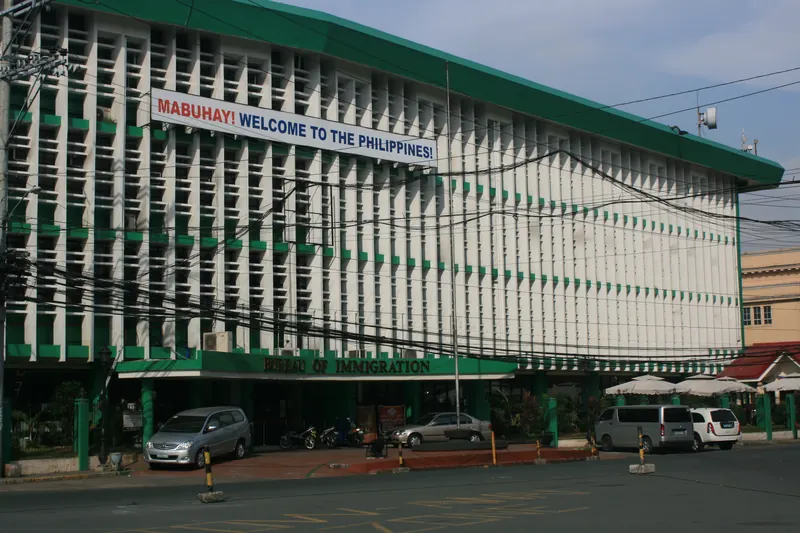
Foreigners can rent any residential property in Cebu without restriction. The friction is documentation, not legal. Most landlords ask for a passport copy plus either an ACR I-Card (for SRRV, 13a, or other long-stay visas) or a recent visa-extension stamp from the Bureau of Immigration. Tourist-visa holders get rented to all the time, especially in IT Park condos that work with shorter stays, but the landlord may want one to three months paid upfront in lieu of a Certificate of Employment. If you haven’t seen Cebu yet, the lower-risk sequence most long-stay foreigners actually follow is a furnished monthly serviced apartment or Airbnb for the first 30–60 days, then a 12-month lease once you’ve walked the neighborhoods and know which corridor floods. The short-term rentals vs hotels guide prices that bridge against committing to a year sight unseen.
If you can’t produce a Philippine COE or local payslips, the workarounds landlords accept (in rough order of frequency): three months advance instead of one, a guarantor on the lease, or proof of remote-work income (employment letter from an overseas employer, plus bank statements showing the income hitting your account). A few of the larger condo admins — Solinea, Avida Towers Cebu, 1016 Residences — have written foreigner-tenant policies and will tell you the exact stack they want before you book a viewing. Smaller landlords negotiate case by case.
One thing nobody advertises on Lamudi: some individual landlords in Cebu prefer Filipino tenants over foreigners, especially outside the IT Park corridor. It isn’t a legal barrier and it isn’t universal, but it’s real. In practice it narrows your inventory in older apartment blocks in Mabolo, Banilad, and Talamban where a lone landlord is making a gut-feel decision at the application stage. The fix is to concentrate your search on condo towers with foreign-tenant-friendly admin offices, or to rent through Lamudi and Rentpad where foreign applicants have already been pre-filtered into the listing pool.
Two more friction points show up after the lease is signed. BIR registration is the first: stay over six months on a long-stay visa and you may need a TIN to open utility accounts in your own name. Most renters sidestep this by leaving VECO and MCWD in the landlord’s name and reimbursing monthly, though that opens the master-meter markup risk covered earlier. Condo rules are the second: a handful of buildings cap foreign tenants per floor, and a few restrict leases shorter than six months. Ask the admin office directly — brokers tend to tell you what they think you want to hear.
Setting Up Utilities After Move-In
Three connections to arrange: electricity, water, and internet. Start all three on the day you sign your lease. Internet has the longest lead time and should be prioritized if you work remotely. The first-month setup checklist has a day-by-day version of this.
VECO (electricity): Visit a VECO service center with your lease contract and a valid government ID. You’ll pay a bill deposit calculated on your connected load. Energization takes two to three working days after payment. Service centers are at JCentre Mall in Mandaue, One Pavilion Mall in Banawa (Cebu City), SM City Cebu, and branches in Talisay and Talamban. Hours are Monday to Saturday, 9 AM to 6 PM. The current all-in residential rate is ₱14.96/kWh for the August 2026 cycle, a fresh 2026 high that Visayan Electric published itself (we publish the full rate series), so a moderate-AC studio bill lands around ₱3,800–₱6,000/month after the first full cycle. Budget above it: the utility got ERC approval to defer part of JULY’s generation cost, which held that cycle below PHP 17.59, and deferred cost gets recovered in later cycles rather than forgiven.
If the previous tenant’s meter is still active, you can request a transfer instead of a new connection. Faster, but it requires the previous tenant to have settled their final bill first.
MCWD (water): Water transfer is simpler. Visit the MCWD main office or a satellite office with your lease and ID. If the account is active and the previous tenant cleared their balance, the transfer processes in a few days. MCWD’s main office is on M.J. Cuenco Avenue in Cebu City. The minimum charge is ₱259.16 (first 10 cu.m.) [Sourcing note: MCWD publishes NO residential tariff schedule on its own website. Every peso figure in this ledger (minimum ₱259.16 / 10 cu.m.; tiers ₱28.64, ₱33.71, ₱82.52) is attributed to MCWD via NAMED SECONDARIES — Philstar / The Freeman (2026-03-28) and Cebu Daily News — not via a primary MCWD publication.] for the first 10 cubic meters (the April 2026 final tranche), which covers most solo renters’ baseline before tier 2 kicks in.
Internet: Apply online or in-store. Converge has expanded fast across Metro Cebu; its entry Super FiberX plan runs PHP 1,349/month for 200 Mbps as of July 2026. PLDT has the widest coverage. Globe at Home covers gaps where the other two have waitlists. Installation takes two to four weeks for Converge, often faster for PLDT in areas with existing lines. For the full comparison, see the Cebu internet guide.
Before applying, check with your condo admin which ISPs serve the building. Some towers restrict providers to one or two due to infrastructure agreements.
How Do Cebu Neighborhoods Compare for Renters?
Cebu’s rental market clusters around IT Park and radiates outward. The further you go, the cheaper rent gets. Commute time and flood risk both rise with it. Every renter in Cebu ends up pricing these three variables against each other, usually without realizing it until the second-month bills arrive. The best neighborhoods for expats guide covers each area in depth; the table below is the triage view. The IT Park, Lahug, Banilad, Mabolo, Capitol and Talamban studio ranges track LiveInPH’s editorial Cebu rent baseline, a published estimate rather than a measured-sample median. Mandaue, Talisay and Mactan sit outside that baseline entirely, so treat those three rows as editorial observations we have not indexed and do not quote them back at a landlord as a benchmark.
| Area | Studio Rent | Commute to IT Park | Flood Risk | Vibe |
|---|---|---|---|---|
| IT Park / Lahug | PHP 14,000–35,000 | 0–10 min | Low (modern drainage) | Premium, walkable, nightlife |
| Banilad | PHP 12,000–20,000 | 10–20 min | Moderate (Kinalumsan River) | Gated, family, expat |
| Mabolo | PHP 10,000–18,000 | 5–15 min walk | Mixed (Mahiga Creek zone) | Mid-range, convenient |
| Mandaue | PHP 10,000–18,000 | 15–45 min | Moderate (Butuanon River) | Affordable, industrial |
| Capitol / Colon | PHP 5,000–12,000 | 15–25 min | Low–moderate | Budget, dense, heritage |
| Talamban | PHP 3,500–25,000 | 20–40 min | Moderate (upland runoff) | Student, suburban |
| Talisay | PHP 11,000–30,000 | 25–45 min | High (low-lying zones) | Outer, SRP access |
| Mactan (Lapu-Lapu) | PHP 12,000–30,000 | 30–60 min | Moderate (coastal) | Beach, airport, expat |
If you’re choosing by budget tier:
- Under PHP 10,000: Capitol/Colon, Talamban dorms, outer Mandaue. Expect older buildings, no AC, and shared bathrooms at the lowest end.
- PHP 10,000–18,000: Mabolo, lower Lahug, Mandaue near A.S. Fortuna, parts of Talisay. The BPO worker sweet spot. Accenture, Concentrix, and Teleperformance entry roles in Cebu start around PHP 18,000–25,000/month, which means rent in this band keeps housing under the 30% threshold once you factor utilities. Mabolo is walkable to IT Park; Mandaue is one jeepney ride.
- PHP 18,000–35,000: IT Park and CBP towers (Solinea, Avida, Calyx, 1016 Residences), Banilad. Premium location, walk-to-work for senior BPO and tech roles at JPMorgan, Sutherland, and TaskUs, condo amenities included.
Furnishing changes the math. A furnished studio runs 20–30% more than its unfurnished twin in the same building, which can push a PHP 14,000 Lahug unit to PHP 18,000. Worth it if you’re arriving with two suitcases. Not worth it if you plan to stay two years and can source bed, fridge, and a wall AC for under PHP 30,000 from SM Appliance or Cebu’s Facebook resale groups. The furnishing cost guide walks through the stay-length decision and the new-vs-secondhand split for each line item.
For area-specific breakdowns, see IT Park and Lahug, Banilad and Talamban, Mabolo, Mandaue, and Capitol and Colon.
Flood Zones and Typhoon Risk: What Renters Must Know
Cebu sits in the typhoon belt, and flood exposure varies so much block by block that the building’s elevation matters more than the neighborhood’s reputation. Typhoon Tino (Kalmaegi) made landfall in Cebu on November 4, 2025. The Office of Civil Defense tally of November 17, 2025 (reported by GMA News and SunStar Cebu) recorded 269 deaths nationally, with 150 in Cebu province; no agency publishes a casualty figure at Cebu City granularity, so treat any city-level number you see as unverified. Floodwaters reached the second floor of homes in Villa del Rio 1, Bacayan. The PHP 17.44 billion figure often attached to Cebu’s rivers is not typhoon damage: it is DPWH flood-control spending on 179 projects across four rivers (Butuanon, Mananga, Cansaga, Cotcot) between 2016 and 2025 (per SunStar Cebu’s analysis of DPWH records), now under Independent Commission for Infrastructure and DPWH review. Tino’s own assessed damage cost for Cebu is not published, and we do not estimate it. The MGB Region 7 hazard map (2018 edition) lists 22 Cebu City barangays as flood-susceptible, and the structural drivers aren’t going away: narrowed river channels, siltation, and continued floodplain construction.
Rivers and creeks to know before you sign:
- Guadalupe River: affects Guadalupe barangay and parts of lower Lahug during heavy rains.
- Kinalumsan River: runs through the Lahug-Banilad corridor and floods nearly every monsoon.
- Mahiga Creek: flash-flood prone in Mabolo. The CITYCENTRE stretch sits above it and stayed dry during Tino.
- Butuanon River: watch the low-lying Mandaue stretches near the riverbanks off A.S. Fortuna, where Tino hit hardest in November 2025.
Safe elevated areas: IT Park sits on modern fill with engineered drainage. Upper Lahug and Apas are hillside. The CITYCENTRE stretch of Mabolo is elevated above the Mahiga Creek floodplain. Pit-os and Sirao are high-ground barangays. These areas stayed dry during Tino.
If you’re renting anywhere in Metro Cebu, build a basic typhoon kit: flashlight, battery bank, water jugs, canned food, important documents in a waterproof bag. Signal storms hit between July and December.
Rental Scams in Cebu: Red Flags
Cebu’s Facebook-driven rental market creates opportunities for scammers. The pattern is consistent: attractive photos (often stolen from legitimate listings), below-market rent, urgency, and a reservation fee demand via GCash or bank transfer before you’ve seen the unit.
The most common scam: A “landlord” posts a listing with photos pulled from a real Lamudi or Rentpad ad. They offer a studio in IT Park for PHP 8,000 (real rate: PHP 18,000+). When you message them, they ask for a PHP 5,000–10,000 reservation fee via GCash to “hold the unit” before a viewing. Once you send the money, they block you. Variations involve a fake “property manager,” a fake notary, or a fake PRC-licensed agent.
How to protect yourself:
- Never pay any amount before visiting the unit in person.
- Reverse-image search listing photos. Scammers reuse the same sets across multiple fake listings.
- Ask for the property’s tax declaration or condominium certificate of title. Real owners can produce these.
- For condo units, call the building admin directly to confirm the owner’s name matches who you’re dealing with.
- Use traceable payment methods. If a landlord insists on GCash only with no paper trail, that’s a red flag.
- Meet at the actual property, not at a coffee shop or “temporary office.”
Your Rights as a Tenant
The Rent Control Act (RA 9653) sets the rules for residential leases in the Philippines, but read Section 5 before you rely on any of it. The Act covers monthly rents of PHP 1 to PHP 10,000 in highly urbanized cities, which is the bracket Cebu City falls under, and PHP 1 to PHP 5,000 elsewhere. Everything below is a real protection under that ceiling and a market norm above it. Most Cebu rentals aimed at foreigners sit above it.
Deposit limits (at PHP 10,000/month or below): Maximum two months security deposit and one month advance. Anything beyond that is illegal, and the deposit must be held in a bank account and returned with interest when the lease ends. Above the ceiling you will still be quoted 2+1, but as convention, so get the amount, the bank, and the return timeline into the written lease.
Eviction grounds: A landlord cannot evict you for wanting to raise rent or for personal reasons. Legal grounds for eviction: non-payment of rent for three consecutive months, unauthorized subleasing, lease expiration with proper notice, or the owner’s legitimate need to use the property (requires three months’ written notice).
Rent increase caps: For units renting at PHP 10,000/month or below, the 2026 annual increase is capped at 1% under NHSB Resolution 2024-001, but only for existing tenants renewing. A new tenant signing a fresh lease doesn’t inherit the cap, and units above PHP 10,000 have no statutory ceiling at all. The 2025 cap was 2.3%; 2024 was 4%. The trend is a deliberate tightening.
Utility disconnection: Your landlord cannot cut your VECO electricity or MCWD water supply as a pressure tactic. Only VECO and MCWD themselves can disconnect service, and only for non-payment to them directly.
Dispute resolution: Start at the barangay level. File a complaint at the barangay hall where the property is located. Mediation is free and mandatory before court action. If mediation fails, small claims court handles disputes up to PHP 1 million without needing a lawyer. Hearings are scheduled within 30 days of filing.
What Happens at Move-Out
Move-out is where the photos you took on day one either pay for themselves or turn out not to exist. Work backwards from the date you want your deposit.
Give notice in writing, on the timeline your lease sets. Thirty days is the common Cebu convention, but the number that binds you is whatever the contract says. If the lease is silent, you’re relying on custom rather than a term, so send the notice by email or Messenger anyway and keep the sent copy. A verbal notice to a landlord who later says they never got one is the same as no notice.
Close the utility accounts before you hand back the keys, not after. Ask VECO and MCWD for a final reading on or near your last day and settle both bills while you still have access to the unit. This is the single most common reason a Cebu deposit gets held: the landlord is waiting on a final utility bill that arrives weeks after you’ve gone, and until it lands they have a reason to sit on your money. A paid final bill in your hand removes the reason. If the account was left in the landlord’s name and you were reimbursing monthly, get a written confirmation that you’re settled through your last day.
Do the walkthrough with the landlord present, and shoot it the same way you shot day one. Same rooms, same angles, same timestamps. Pull up the move-in set on your phone and go through it in front of them. Most disputes end here, because the argument stops being your word against theirs and starts being two dated sets of the same wall.
Know which deductions are legitimate. Unpaid rent, unpaid utilities, and documented damage beyond normal wear are fair game. Repainting, general cleaning, and “appliance depreciation” are not, unless the lease specifically says so and you signed it. A scuffed wall after twelve months is wear. A hole in it is damage. If your rent was PHP 10,000 or less, the deposit also owes you accrued bank interest, which almost nobody volunteers and you have to ask for.
If the money hasn’t moved 30 days after you handed over the keys and a clean final bill, go to the barangay hall where the property sits. The security deposits guide covers the mediation script and the small-claims route in full.
When to Rent: Cebu’s Seasonal Timing
Two windows of the year change how renting in Cebu works, and most newcomers don’t find out until after they’ve booked flights.
- January (Sinulog): The Grand Parade lands on the third Sunday of January (January 17 in 2027), and road closures build for roughly two weeks before it around Osmeña Boulevard, D. Jakosalem, Magallanes, and most of the downtown grid. Hotels double or triple and fill by October. Viewings in Capitol, Colon, and lower Lahug become logistically painful. If you can, delay your move until late January or February.
- July–December (typhoon season): Don’t sign a ground-floor unit sight unseen during this window. Walk the property during or after a heavy rain if you can, and note where the water pools.
The Rental Timeline: Week by Week
Most Cebu rentals close in one to three weeks. Here’s what that looks like if you start on a Monday.
| Week | Priority | What you're doing |
|---|---|---|
| Week 1 | Search + shortlist | Scan Facebook groups, Lamudi, Rentpad. Message 10–15 listings. Filter scam signals. Line up 4–6 viewings for the weekend. |
| Week 2 | Viewings + offer | Inspect units in person. Run faucets, check VECO meters, ask about flooding. Pick one, negotiate terms (rent, deposit structure, appliances), get the lease in writing. |
| Week 3 | Sign + pay + utilities | Notarize lease, pay 2+1 deposit, collect keys. Visit VECO the same day. File MCWD transfer. Apply for internet. Take timestamped move-in photos. |
| Week 4 | Settle in | VECO energizes in 2–3 working days. MCWD transfer completes within the week. Internet lands in 2–4 weeks. Move the bulk of your things once VECO is live. |
Your Real Shortlist
Three things decide whether your first month in a Cebu rental goes smoothly: internet that lands on time, a deposit you can document from day one, and a unit whose ground floor isn’t going to flood the next time a signal 3 storm rolls through. Start the internet application the day you sign. Take timestamped photos before you unpack. Check the flood map against your exact address, not the barangay summary. For the full monthly-cost picture beyond rent, see the Cebu cost of living guide. If a deposit doesn’t come back, the security deposits guide walks through barangay mediation and small claims.
FAQ
Frequently asked.
How much deposit is required to rent in Cebu City?
What documents do I need to rent an apartment in Cebu?
Is it safe to rent through Facebook Marketplace in Cebu?
Can foreigners rent an apartment in Cebu City?
What happens if the landlord won't return my deposit in Cebu?
Data note. Prices, rates, and details are verified as of publication and may change. Always confirm with the listed provider or landlord before committing. This article is informational, not financial, legal, or immigration advice. Full disclaimer.